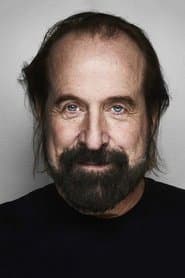
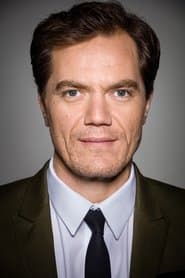
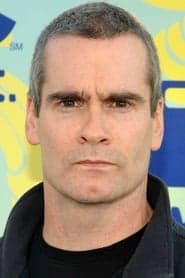
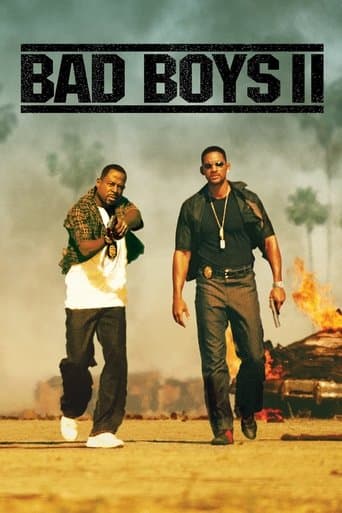
Detectives Marcus Burnett and Mike Lowrey of the Miami Narcotics Task Force are tasked with stopping the flow of the drug Ecstasy into Miami. They track the drugs to the whacked-out Cuban drug lord Johnny Tapia, who is also involved in a bloody war with Russian and Haitian mobsters. If that isn't bad enough, there's tension between the two detectives when Marcus discovers that playboy Mike is secretly romancing Marcus’ sister, Syd.
"Bad Boys II" serves as a quintessential example of the buddy cop genre, but it elevates itself through its exploration of themes such as loyalty, friendship, and the complexities of family dynamics. The relationship between Marcus Burnett and Mike Lowrey embodies a brotherhood that is tested not only by their dangerous line of work but also by personal entanglements—most notably, Mike's romantic involvement with Marcus's sister, Syd. This tension adds emotional depth to the narrative, allowing viewers to engage with the characters on a more personal level, as they juggle their professional duties with the intricacies of their personal lives. The struggle for trust and loyalty among friends and family is a recurring motif that resonates throughout the film, ultimately highlighting the importance of communication and understanding in any relationship.
The film's cultural impact is notable, as it arrived at a time when the action-comedy genre was experiencing a renaissance. Directed by Michael Bay, "Bad Boys II" is filled with explosive action sequences and a vibrant Miami backdrop, which helped solidify the city as a quintessential setting for high-octane films. The film's depiction of diverse cultures, particularly the Cuban and Haitian communities, sparked discussions about representation in Hollywood. While some critiques arose regarding the portrayal of these communities, the film undeniably contributed to a broader dialogue about race and identity in mainstream cinema. Moreover, the chemistry between Will Smith and Martin Lawrence became iconic, setting a benchmark for future buddy cop duos and influencing how such partnerships are portrayed in subsequent films.
Cinematographically, "Bad Boys II" is a visual spectacle, showcasing Michael Bay's signature style of dynamic camera movements and extravagant action sequences. The film features several unforgettable set pieces, including a thrilling car chase through the streets of Miami and a jaw-dropping shootout in a Cuban drug lord’s mansion. These sequences are not just about spectacle; they are meticulously choreographed to enhance the storytelling, blending humor and tension seamlessly. Cinematographer Dion Beebe's work contributes to the film's vibrant aesthetic, employing bold colors and high-contrast lighting that elevate the energy of each scene. The use of slow-motion during key moments also adds a cinematic flair that has become synonymous with Bay's filmmaking style, making the action not only intense but also visually stunning.
In terms of production history, "Bad Boys II" faced its fair share of challenges, which ultimately shaped the film's final product. The project had a long development period, with delays primarily due to the desire to craft a sequel that would surpass its predecessor. The script underwent multiple revisions to strike the right balance between action and humor, reflecting the evolving tastes of audiences. Additionally, the film's budget ballooned significantly, resulting in one of the most expensive productions of its time. Despite these challenges, the film emerged as a box office success, grossing over $270 million worldwide. This financial triumph not only solidified the "Bad Boys" franchise but also underscored the viability of action-comedy films in the early 2000s, paving the way for further sequels and similar projects in the genre.