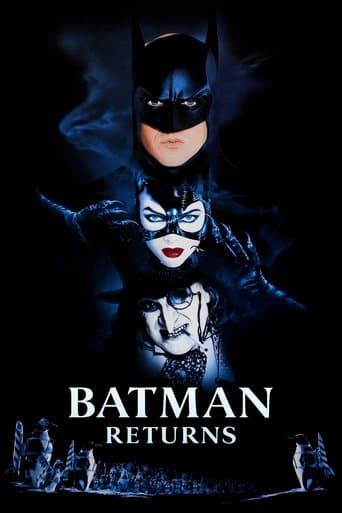
The monstrous Penguin, who dwells in the sewers beneath Gotham, joins up with corrupt mayoral candidate Max Shreck to topple the Batman once and for all. But when Shreck's timid assistant Selina Kyle finds out, and Shreck tries to kill her, she's transformed into the sexy Catwoman. She teams up with the Penguin and Shreck to destroy Batman, but sparks fly unexpectedly when she confronts the caped crusader.
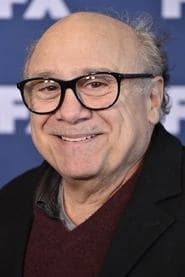
"Batman Returns," directed by Tim Burton, is a film that not only continues the story of Gotham's dark knight but also delves deeply into themes of duality and identity. The characters of Selina Kyle (Catwoman) and Oswald Cobblepot (the Penguin) are both embodiments of the struggle between the masks people wear and their true selves. Selina, portrayed by Michelle Pfeiffer, is a prime example of this theme; her transformation from meek secretary to fierce anti-heroine showcases the complexities of female empowerment and the liberation that can come from embracing one's darker impulses. Similarly, the Penguin, played by Danny DeVito, represents the outcast, revealing the societal neglect faced by those deemed different. The film intricately weaves these themes into its narrative, prompting audiences to reflect on the nature of good and evil, and the grey areas that often exist between them.
The cultural impact of "Batman Returns" is profound, influencing not just superhero films but also the portrayal of complex female characters in cinema. Catwoman's character marked a significant departure from traditional female roles in superhero narratives, embodying a sense of autonomy and sexual agency that resonated with audiences. The film’s darker tone and visual style paved the way for later comic book adaptations, encouraging filmmakers to explore more nuanced storytelling within the genre. Burton's unique vision helped redefine the aesthetics of superhero films, creating a lasting legacy that can be seen in both contemporary blockbusters and the ongoing evolution of comic book narratives.
Cinematographically, "Batman Returns" stands out for its striking visuals, which exemplify Tim Burton's signature gothic style. The production design, led by Anton Furst, paints Gotham City as a bleak, industrial landscape filled with exaggerated architecture and dark alleys that mirror the film's themes of isolation and corruption. The use of practical effects and elaborate sets creates a richly immersive world that feels both fantastical and hauntingly real. Additionally, Danny Elfman's haunting score enhances the film's atmosphere, blending whimsical motifs with darker undertones, further solidifying the film's identity as both a superhero story and a dark fairy tale.
The production history of "Batman Returns" also presents fascinating insights into the challenges faced during its making. Following the massive success of the first "Batman" film, expectations were high, but Burton was given more creative freedom, leading to a movie that was both darker and more eccentric than its predecessor. However, this shift in tone resulted in significant pushback from both the studio and toy manufacturers, who were concerned about the film's mature themes and potential impact on merchandise sales. Ultimately, the film's release sparked controversy and debate, particularly regarding its violent content and darker portrayal of characters, demonstrating the tension between artistic vision and commercial viability in Hollywood. Despite this, "Batman Returns" has since been recognized as a bold, visionary piece that has left an indelible mark on the landscape of superhero cinema.