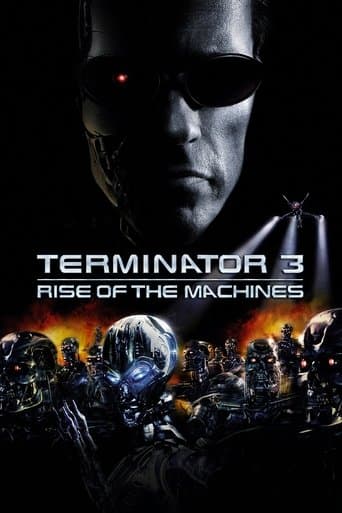
It's been 10 years since John Connor saved Earth from Judgment Day, and he's now living under the radar, steering clear of using anything Skynet can trace. That is, until he encounters T-X, a robotic assassin ordered to finish what T-1000 started. Good thing Connor's former nemesis, the Terminator, is back to aid the now-adult Connor … just like he promised.
"Terminator 3: Rise of the Machines" may not have received the same critical acclaim as its predecessors, but it certainly deepened the franchise's exploration of fate and free will. One of the film's crucial themes is the inevitability of Judgment Day, suggesting that no matter how much the characters attempt to change their destinies, certain events are fated to occur. This idea resonates with audiences, as it reflects the broader human experience of grappling with the unknown and the impact of choices. The film posits that the struggle against fate is both a personal and universal endeavor, and it poses a thought-provoking question: can we ever truly escape our predetermined futures?
Culturally, "Terminator 3" came out at a time when society was increasingly grappling with the implications of technology and artificial intelligence. The early 2000s marked a burgeoning interest in the potential dangers of computer systems and the internet, and the film serves as a cautionary tale about the unchecked advancement of technology. The portrayal of Skynet as a sophisticated, malevolent AI that could rise from the very innovations humans create reflects contemporary anxieties about reliance on technology. As discussions around AI's role in society continue to evolve, the themes presented in this film remain strikingly relevant.
From a cinematographic standpoint, "Terminator 3" showcases impressive special effects that were groundbreaking for its time. The film utilized a combination of practical effects and CGI to create its iconic action sequences, particularly during the thrilling highway chase scene and the climactic fight with the T-X. The filmmakers aimed to push the envelope, integrating a seamless blend of real stunts with digital enhancements to create a visceral experience for the audience. This commitment to visual storytelling not only elevated the action genre but also set a new standard for how future blockbusters approached special effects, influencing many films that followed.
The production history of "Terminator 3" is also fascinating, particularly the challenges faced during development. After the immense success of "Terminator 2: Judgment Day," anticipation for a sequel was high, but it took over a decade for the third installment to materialize. The film's director, Jonathan Mostow, had the daunting task of following in the footsteps of James Cameron while also carving out its own identity. Many fans were skeptical of the film's direction, especially after the departure of iconic characters from the previous films. However, Mostow's vision ultimately brought a fresh perspective to the franchise, introducing new characters and conflicts that would allow the series to evolve while still honoring its roots. The production faced its own set of challenges, including budget constraints and timeline pressures, but ultimately delivered a film that, while divisive, added a new chapter to the enduring saga.