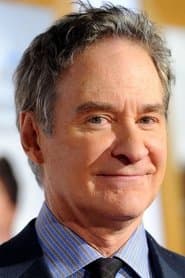
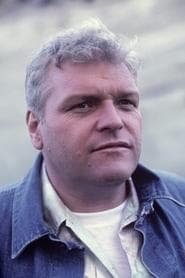
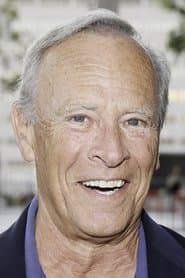
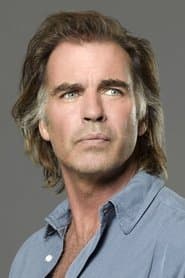
Four unwitting heroes cross paths on their journey to the sleepy town of Silverado. Little do they know the town where their family and friends reside has been taken over by a corrupt sheriff and a murderous posse. It's up to the sharp-shooting foursome to save the day, but first they have to break each other out of jail, and learn who their real friends are.
"Silverado," directed by Lawrence Kasdan, is a vibrant homage to the classic Western genre, encapsulating themes of friendship, justice, and moral integrity. The film explores the idea of camaraderie as the four main characters—Emmett, Jake, Mal, and Paden—come together not just to confront the corrupt forces in Silverado, but also to forge deep bonds of loyalty and trust. The narrative emphasizes their individual journeys toward self-discovery and the importance of standing up against tyranny, showcasing how true heroism is rooted in collective support and shared values. This theme resonates beyond the dusty trails of the Old West, reflecting a broader appeal to audiences seeking narratives of unity and resilience.
The cultural impact of "Silverado" cannot be overstated, as it played a pivotal role in reviving interest in the Western genre during the mid-1980s. At a time when Westerns were largely considered a relic of the past, Kasdan's film brought a fresh perspective, blending traditional elements with a modern sensibility. The film's ensemble cast, including Kevin Kline, Scott Glenn, Danny Glover, and Jeff Goldblum, introduced a new dynamic, allowing for a more diverse representation of characters that appealed to a contemporary audience. This revitalization contributed to a resurgence of Westerns in Hollywood, paving the way for other films that sought to blend nostalgia with innovative storytelling.
Visually, "Silverado" stands out thanks to the work of cinematographer John Bailey, whose sweeping landscapes and dynamic framing evoke the grandeur of the Western frontier. The film captures the rugged beauty of the American Southwest, utilizing natural light and expansive vistas to create an immersive atmosphere that draws viewers into its world. Bailey’s cinematography not only enhances the action sequences but also complements the film's emotional beats, effectively contrasting moments of tension with serene beauty. This visual storytelling is integral to the film’s charm, reminding audiences of the vast, untamed landscapes that serve as both a backdrop and a character in its own right.
The production history of "Silverado" is equally fascinating, as it was born from a long-standing passion project for Lawrence Kasdan, who had previously written screenplays for iconic films like "Star Wars: The Empire Strikes Back" and "Raiders of the Lost Ark." Kasdan's desire to craft a Western was inspired by his childhood admiration for the genre, leading to a meticulous approach in both writing and casting. The film's production also faced challenges, including budget constraints and the need to balance practical effects with the demands of action sequences. Nonetheless, the film emerged as a beloved classic, celebrated for its engaging storyline, charismatic performances, and a score by Bruce Broughton that perfectly encapsulates the spirit of adventure and heroism inherent in the Western tradition.