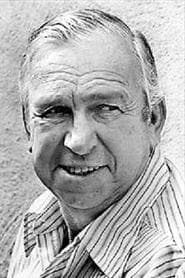
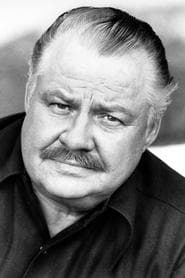
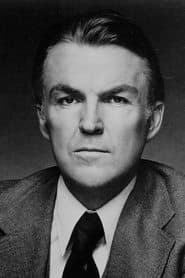
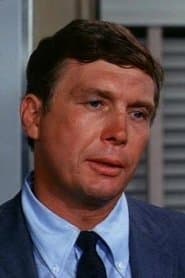
Will Penny, an aging cowpoke, takes a job on a ranch which requires him to ride the line of the property looking for trespassers or, worse, squatters. He finds that his cabin in the high mountains has been appropriated by a woman whose guide to Oregon has deserted her and her son. Too ashamed to kick mother and child out just as the bitter winter of the mountains sets in, he agrees to share the cabin until the spring thaw. But it isn't just the snow that slowly thaws; the lonely man and woman soon forget their mutual hostility and start developing a deep love for one another.
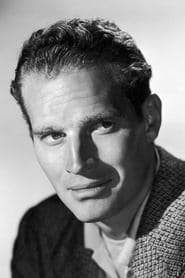
"Will Penny" offers a poignant exploration of loneliness and human connection against the backdrop of the American West. The film's primary theme revolves around the idea of isolation, both physical and emotional. Will Penny, played by Charlton Heston, embodies the archetypal rugged individualist, yet as the narrative unfolds, it becomes clear that his façade of stoicism is merely a cover for his deep-seated loneliness. The arrival of Catherine (played by Joan Hackett) and her son disrupts his solitary existence, and through their shared struggles, the film beautifully illustrates how human relationships can thaw emotional barriers, transforming isolation into companionship and love. This theme resonates deeply, reflecting the complexities of human connection in even the harshest of environments.
Culturally, "Will Penny" stands as a significant entry in the Western genre, blending traditional elements with a more nuanced character study. Unlike many Westerns of its time that glorified violence and heroism, this film takes a softer approach, focusing instead on the emotional landscapes of its characters. It challenges the conventional tropes of masculinity and rugged individualism that often dominate the genre. Will's reluctant acceptance of vulnerability and the nurturing relationship he develops with Catherine signify a shift in narrative priorities, paving the way for future Westerns to explore more diverse and complex character arcs. This evolution in storytelling not only redefined the genre but also broadened the scope of what audiences could expect from Western films.
The cinematography of "Will Penny," handled by the talented Richard C. Dyer, captures the expansive beauty of the Western landscape while also emphasizing the intimate moments between characters. The film was shot on location in the rugged terrain of Montana, and the stunning vistas serve as a powerful contrast to the internal struggles of the characters. Dyer's use of natural light and sweeping shots of the mountains enhances the sense of isolation, effectively mirroring Will's emotional journey. The cinematography not only elevates the visual storytelling but also reinforces the film's themes of solitude and connection, making the landscape almost a character in its own right.
In terms of production history, "Will Penny" is notable for being one of Charlton Heston's more understated roles, which he approached with a sense of authenticity that resonates throughout the film. The project was a departure from Heston's more bombastic characters, allowing him to explore a different facet of his acting capabilities. The film was directed by Tom Gries, whose vision for a more introspective Western led to a unique collaboration with Heston, resulting in a film that feels both timeless and deeply human. The film's modest budget and reliance on location shooting also reflect the changing landscape of Hollywood in the late 1960s, as filmmakers began to embrace more realistic storytelling techniques, setting the stage for the subsequent wave of revisionist Westerns that would emerge in the following decade.