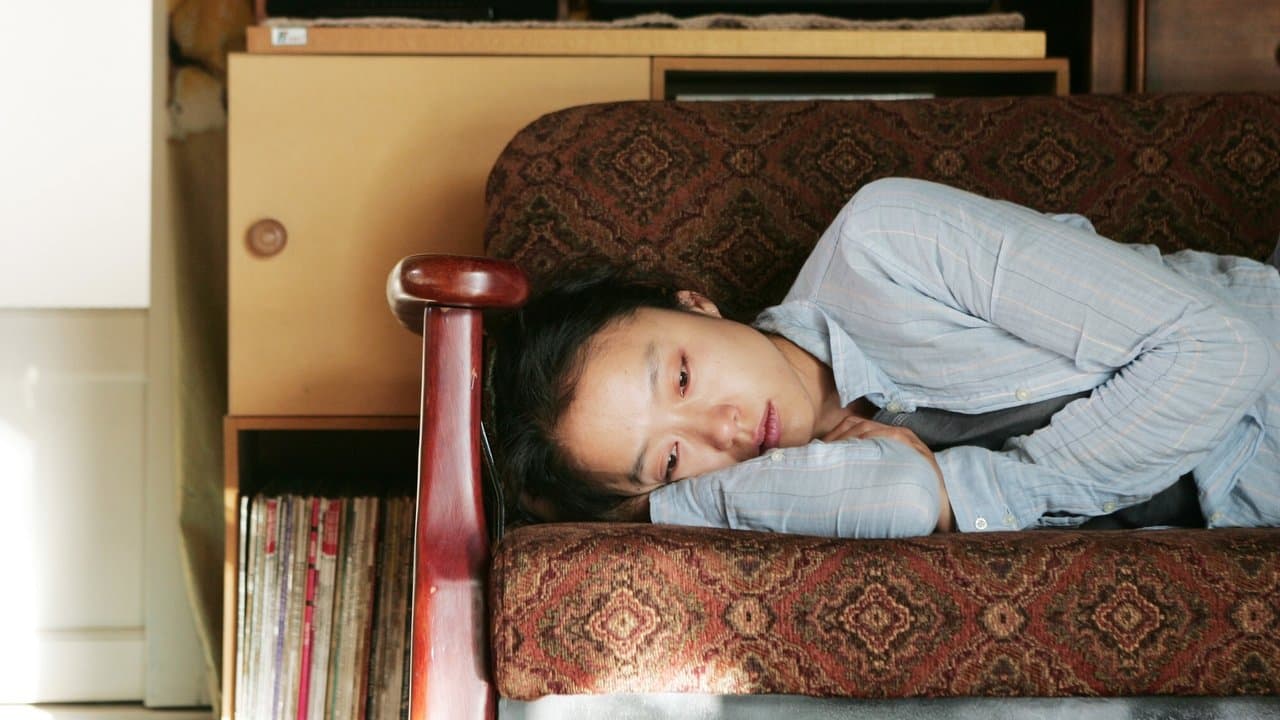
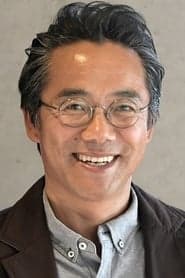
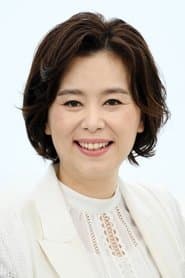
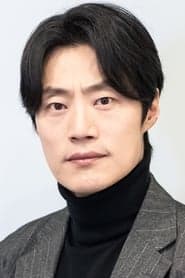
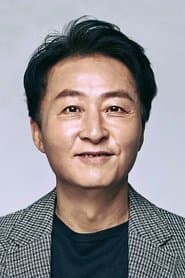
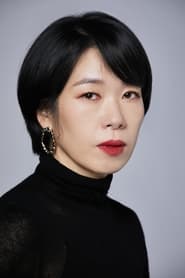
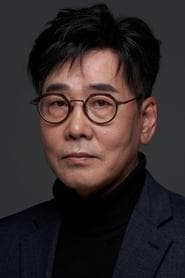
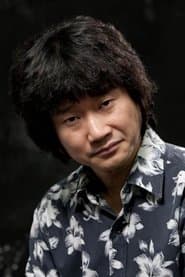
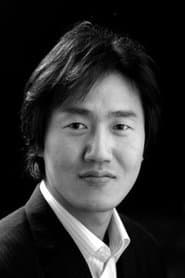
Shin-ae moves to her recently late husband’s hometown. Despite her efforts to settle in this unfamiliar and too-normal place, she finds that she can’t fit in. After a sudden tragedy, Shin-ae turns to Christianity to relieve her pain, but when even this is not permitted, she wages a war against God.
"Secret Sunshine," directed by the acclaimed Lee Chang-dong, delves deeply into the themes of grief, faith, and the often tumultuous relationship between humanity and divinity. At its core, the film portrays the protagonist Shin-ae’s desperate attempts to cope with her profound loss after her husband's death. This exploration of grief is multifaceted; it doesn’t shy away from the raw, visceral pain that accompanies tragedy. Instead, it invites viewers to witness how Shin-ae oscillates between seeking solace in religion and grappling with feelings of abandonment by a higher power. The film's poignant examination of these themes resonates on both personal and universal levels, allowing audiences to reflect on their own beliefs and struggles.
Culturally, "Secret Sunshine" stands as a significant work within South Korean cinema, a film that reflects the evolving societal attitudes towards spirituality and morality in contemporary life. The film's portrayal of Christianity in a predominantly Buddhist society raises critical questions about faith, redemption, and community. By placing Shin-ae—an outsider in her husband's hometown—within a context that emphasizes collective beliefs, Lee Chang-dong critiques both the comfort and constraints that religious communities can impose on individuals. This nuanced depiction has sparked discussions about the role of religion in coping with loss and the search for meaning in an often indifferent world.
Visually, "Secret Sunshine" showcases Lee Chang-dong's masterful use of cinematography to enhance the emotional landscape of the narrative. The film features a thoughtful interplay of light and shadow, symbolizing Shin-ae’s inner turmoil and her quest for enlightenment amid darkness. The camera often lingers on close-ups of the characters, allowing viewers to engage intimately with their emotional states. This technique creates a palpable tension that invites audiences to experience the weight of Shin-ae's anguish and isolation. The landscapes of the rural town, often portrayed as bleak and oppressive, further accentuate her feelings of entrapment, making the cinematography an essential narrative component.
The production history of "Secret Sunshine" reveals a fascinating journey of creative collaboration and artistic vision. Lee Chang-dong, who is also a former Minister of Culture in South Korea, infuses the film with a personal touch that reflects his understanding of societal complexities. The casting of Jeon Do-yeon, who delivered an award-winning performance as Shin-ae, adds another layer of authenticity to the film. Her portrayal won the Best Actress award at the Cannes Film Festival, signaling international recognition for South Korean cinema and its ability to convey deeply human stories. This accomplishment not only highlights the film’s impact on global audiences but also underscores the importance of complex female characters in cinema, paving the way for more nuanced portrayals in future films.