During a dark time in the Heian period, when evil forces threaten the kingdom, the emperor relies on the onmyōji to keep the supernatural forces in line. But as political events become highly charged, friction within the order leads to betrayal. Now, Seimei, a talented member of the clan, must face down his master, Dōson, in the hopes of restoring peace to the kingdom.
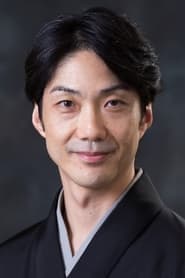
"Onmyoji," directed by Yojiro Takita, is a fascinating exploration of the Heian period, a time of both cultural flourishing and political intrigue in Japan. The film centers around the mystical practice of onmyōdō, a blend of Shinto, Buddhist, and Taoist beliefs, which emphasizes the balance between the natural and supernatural realms. This thematic richness serves as a backdrop for the narrative's central conflict, showcasing the struggle between light and dark, order and chaos. The character of Seimei, portrayed by the charismatic actor Mansai Nomura, embodies the ideals of wisdom and serenity, while his rival Dōson represents the darker forces at play, demonstrating how personal ambition can lead to broader societal consequences.
Culturally, "Onmyoji" tapped into a growing interest in Japan's historical narratives during the early 2000s. The film is inspired by the literary works of the Heian period, particularly the "Tales of the Heike" and the writings surrounding the legendary onmyōji Abe no Seimei. Its success not only reignited interest in these historical figures but also contributed to the resurgence of period dramas in Japanese cinema. This trend paved the way for a new generation of filmmakers to explore Japan's rich folklore and historical tales, blending them with modern cinematic techniques and storytelling methods.
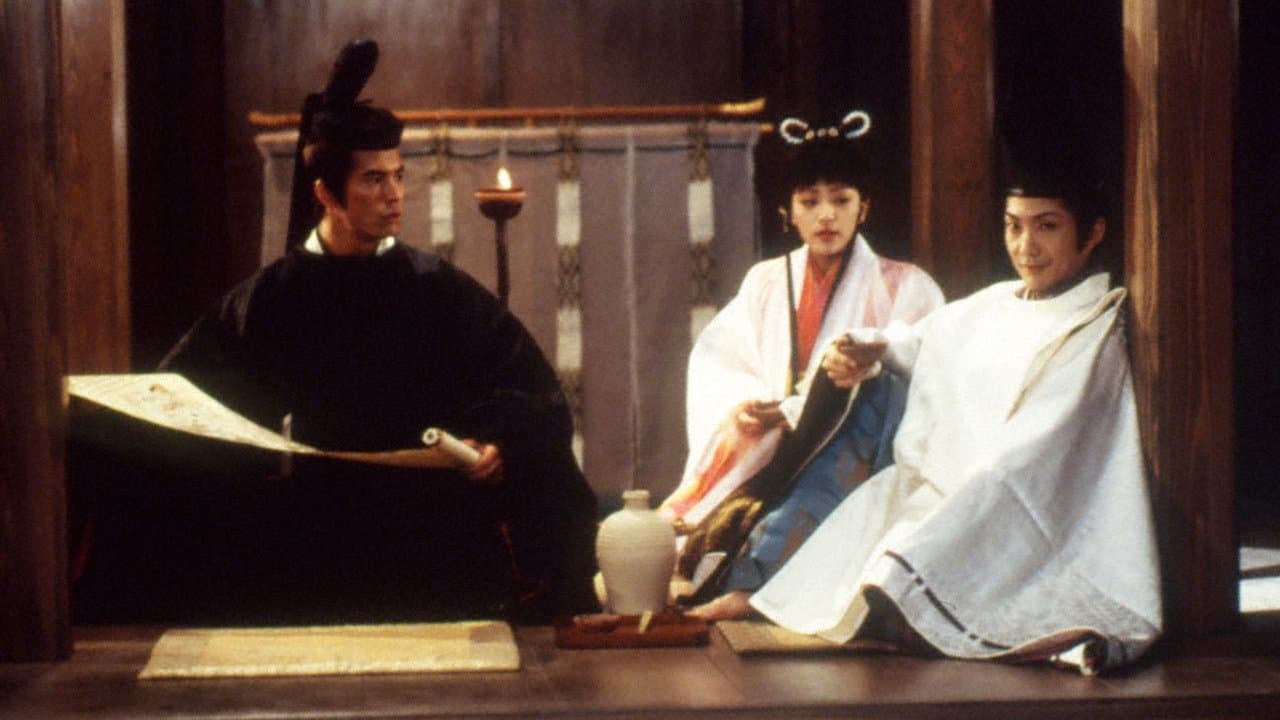
Visually, the film is a feast for the eyes, showcasing Takita's adeptness at blending traditional aesthetics with modern cinematography. The cinematography by Masahiro Takada employs a stunning palette that highlights the ethereal beauty of the Heian period, with lush landscapes and intricate costumes that transport viewers into a world steeped in magic and mysticism. The use of CGI to depict supernatural elements is thoughtfully integrated, enhancing the film's narrative without overshadowing the rich, tangible world of ancient Japan. This careful balance between practical effects and digital enhancements serves to elevate the viewing experience, making the supernatural feel both wondrous and grounded.
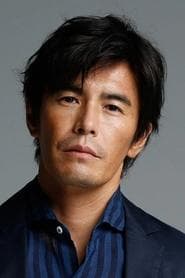
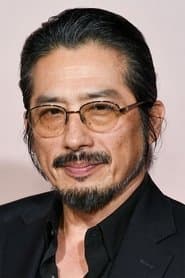
The production history of "Onmyoji" is equally compelling, as it marks a significant collaboration between traditional and contemporary filmmaking approaches. The film features a talented ensemble cast, including actors like Hiroshi Abe and Kōji Yakusho, who bring depth to their roles, grounding the fantastical elements in relatable human emotions and conflicts. Additionally, the score by Yoshihiro Hanno blends traditional Japanese music with modern orchestral elements, further enhancing the film's atmosphere. "Onmyoji" not only stands out as an entertaining cinematic experience but also as a cultural artifact that reflects Japan's ongoing fascination with its own history, mythology, and the timeless battle between good and evil.