Complete strangers stranded at a remote desert motel during a raging storm soon find themselves the target of a deranged murderer. As their numbers thin out, the travelers begin to turn on each other, as each tries to figure out who the killer is.
"Identity," directed by James Mangold, is a fascinating exploration of the human psyche, wrapped in the guise of a psychological thriller. At its core, the film delves into themes of identity, memory, and the nature of evil. Each character represents a fragment of the protagonist's fractured psyche, showcasing how trauma can splinter one’s sense of self. This thematic richness elevates the narrative beyond mere horror, inviting viewers to ponder the complexities of mental health and the multifaceted nature of personality. As the characters confront both external threats and their internal demons, the film prompts an unsettling reflection on how we grapple with our identities in times of crisis.
The film's cultural impact is notable, as it emerged during a period when psychological thrillers were gaining significant traction in Hollywood. "Identity" tapped into the early 2000s fascination with twist endings, a trend popularized by films like "The Sixth Sense." The movie's clever narrative structure and shocking conclusion have influenced subsequent thrillers, prompting audiences to expect the unexpected. This has led to a lasting legacy where filmmakers are encouraged to experiment with narrative form and character development, challenging viewers to engage actively with the plot and its complexities.
Cinematographically, "Identity" employs a moody and atmospheric style that enhances its suspenseful narrative. The desolate setting of the motel, combined with the oppressive storm outside, creates a claustrophobic atmosphere that mirrors the characters' increasing paranoia. Cinematographer Phedon Papamichael skillfully uses lighting and framing to accentuate the psychological tension, with shadows and close-ups that amplify the characters' emotional turmoil. This visual language not only serves to heighten the film’s sense of dread but also reinforces its exploration of fragmented identities, as the characters are often depicted in ways that suggest their inner conflicts and disorientation.
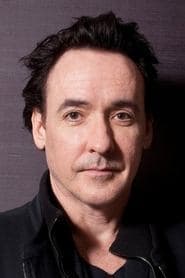
In terms of production history, "Identity" had a unique genesis, with its screenplay originally penned by Michael Cooney, who drew inspiration from Agatha Christie's classic novel "And Then There Were None." The film’s blend of mystery, horror, and psychological drama was a bold move, and its casting choices—featuring a diverse ensemble that includes John Cusack, Amanda Peet, and Ray Liotta—added layers to the character dynamics. The film was produced on a relatively modest budget, yet its box office success demonstrated that audiences were hungry for intelligent thrillers that offered both entertainment and deeper thematic resonance. The collaborative effort between the cast and crew ultimately resulted in a film that, while not universally acclaimed, has garnered a dedicated following and remains a notable entry in the genre.