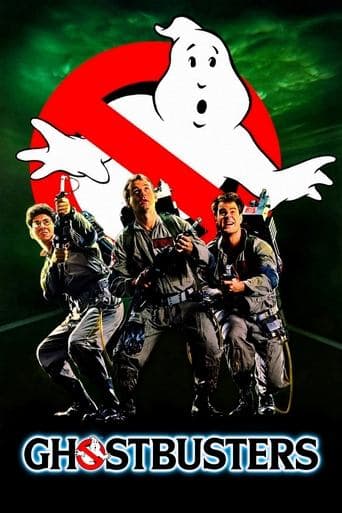
After losing their academic posts at a prestigious university, a team of parapsychologists goes into business as proton-pack-toting "ghostbusters" who exterminate ghouls, hobgoblins and supernatural pests of all stripes. An ad campaign pays off when a knockout cellist hires the squad to purge her swanky digs of demons that appear to be living in her refrigerator.
"Ghostbusters," released in 1984, is more than just a comedic romp through the supernatural; it cleverly explores themes of friendship, resilience, and the tension between academia and entrepreneurial spirit. The film's protagonists, Dr. Peter Venkman, Dr. Ray Stantz, and Dr. Egon Spengler, represent a trio of misfits who, after being cast out from the hallowed halls of academia, embrace their quirky passion for the paranormal. This shift from scholarly pursuits to unorthodox business ventures reflects a broader commentary on American culture during the 1980s, where the entrepreneurial spirit began to take precedence over traditional career paths. The film’s success in capturing the essence of friendship and camaraderie among the Ghostbusters resonated deeply with audiences, making their bond a cornerstone of its enduring appeal.
Culturally, "Ghostbusters" left an indelible mark on the landscape of entertainment, spawning a franchise that includes animated series, video games, and a successful reboot in 2016, as well as a sequel in 2021. The film's iconic catchphrase, "Who you gonna call?" became a cultural touchstone, symbolizing the merging of humor with horror in popular media. Additionally, the film's clever blend of comedy with supernatural elements revitalized interest in ghost-related narratives, paving the way for a slew of similar films in the decades that followed. The Ghostbusters logo, featuring the ghost in a prohibition-style circle, has become a symbol of pop culture, recognized and beloved across generations, further solidifying the film's place in cinematic history.
Visually, "Ghostbusters" was groundbreaking for its innovative special effects, which brought the supernatural elements to life in a way that was both imaginative and humorous. The film employed a mix of practical effects and pioneering CGI, particularly in scenes involving the notorious Stay Puft Marshmallow Man and the terrifying specters that the Ghostbusters encounter. Cinematographer Michael Chapman’s work infused the film with a unique visual style that balanced the eerie with the comedic, creating a whimsical yet thrilling atmosphere. This careful attention to the film's visual narrative helped to ensure that the comedic elements never overshadowed the genuine scares, striking a perfect balance that appealed to a wide audience.
Behind the scenes, the production of "Ghostbusters" was marked by creative collaboration and some notable challenges. The film’s original concept was developed by Dan Aykroyd, who envisioned it as a vehicle for himself and John Belushi, blending elements of science fiction and ghostly adventures. After Belushi's untimely death, Aykroyd reworked the script, bringing in Harold Ramis as co-writer and director Ivan Reitman to help shape the film into what it ultimately became. The casting of Bill Murray as Peter Venkman introduced a unique improvisational style that significantly influenced the film's comedic tone. Murray’s offbeat humor and charm became a defining feature of the film, showcasing how a collaborative environment, combined with a willingness to adapt and innovate, can lead to creating a timeless classic that continues to delight audiences today.