Army psychiatrist Colonel Kane is posted to a secluded gothic castle housing a military asylum. With a reserved calm, he indulges the inmates' delusions, allowing them free rein to express their fantasies.
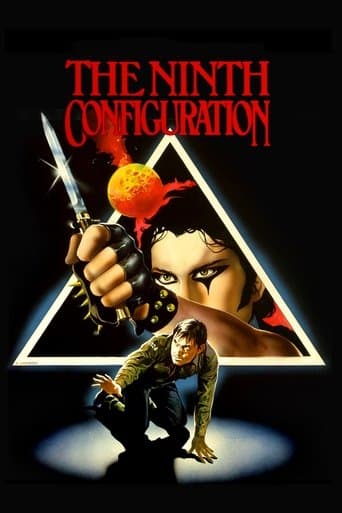
"The Ninth Configuration," directed by William Peter Blatty, is a fascinating exploration of the human psyche, wrapped in a unique blend of dark comedy and horror. One of the film's central themes is the struggle between sanity and madness, particularly as Colonel Kane navigates the complex emotional landscapes of the inmates. The film cleverly juxtaposes the absurdities of military life with the deeply personal battles of its characters, leading viewers to question what constitutes true madness. This interplay between reality and illusion serves not just as a narrative device, but also as a commentary on the nature of existence and the search for meaning in a chaotic world.
Culturally, "The Ninth Configuration" emerged during a period of profound disillusionment in America, particularly following the Vietnam War. The film resonates with audiences because it addresses the psychological scars left by conflict and the inadequacies of traditional systems meant to heal those wounds. Its setting—an imposing, gothic castle—acts as a metaphor for the isolation and confinement felt by both the characters and society at large. This backdrop enhances the narrative's exploration of faith, redemption, and the fragility of the human mind, making it a poignant reflection on the era's anxieties.
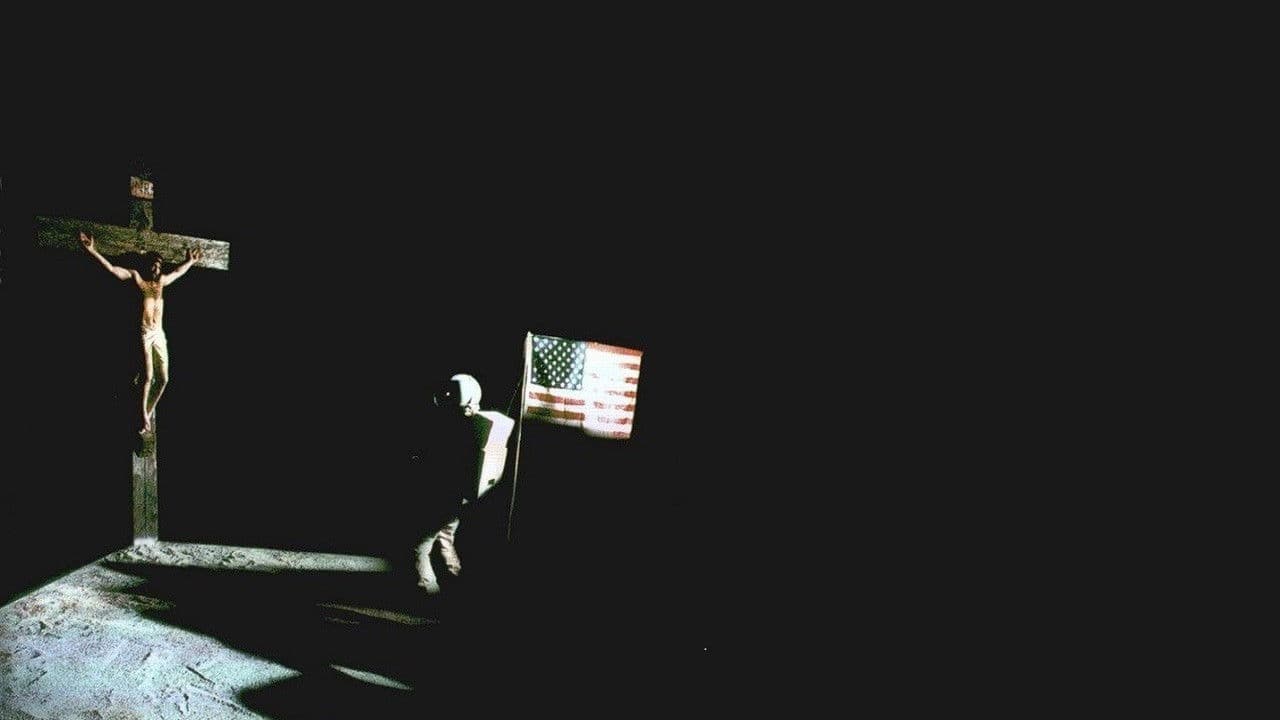
Visually, the film is a testament to Blatty's artistic vision, with its striking cinematography capturing the eerie yet intriguing atmosphere of the castle. The use of shadows, intricate set designs, and chiaroscuro lighting creates a haunting yet compelling aesthetic that draws viewers into the psychological landscape of the characters. This visual storytelling is complemented by the film's unconventional structure, which eschews traditional narrative arcs in favor of a more avant-garde approach. The result is a film that not only engages the audience intellectually but also envelops them in a sensory experience that enhances the themes of madness and reality.
In terms of production history, "The Ninth Configuration" stands out as a labor of love for Blatty, who adapted his own novel, "Twinkle, Twinkle, 'Killer' Kane," into a film that he was passionate about bringing to life. The project faced various challenges, including budget constraints and a limited shooting schedule, yet Blatty's determination and vision ultimately prevailed. The film's unconventional approach to storytelling and its philosophical inquiries set it apart from typical genre fare of the time, allowing it to garner a cult following that appreciates its depth and complexity. This legacy continues to resonate, as contemporary audiences and filmmakers alike are drawn to its rich thematic exploration and unique narrative style.