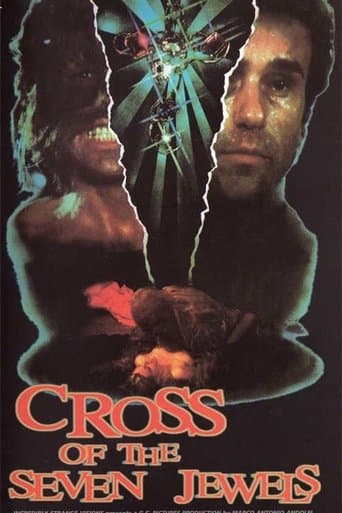
"Cross of the Seven Jewels" is a fascinating blend of horror and adventure that delves into the themes of transformation and the struggle between good and evil. The film's central narrative revolves around the protagonist's curse, which not only forces him to confront his own monstrous nature but also serves as a metaphor for the internal battles we all face. The jeweled necklace, a pivotal artifact in the story, symbolizes the connection between power and vulnerability, suggesting that our greatest strengths can also be our most significant weaknesses. This duality resonates throughout the film, inviting viewers to reflect on the complexities of identity and the choices that define us.
The cultural impact of "Cross of the Seven Jewels" is particularly notable within the context of 1980s horror cinema, which saw a resurgence of interest in supernatural themes and folklore. As a product of its time, the film taps into the fascination with black magic and the occult that was prevalent in popular culture. This interest is reflected in the film's rich visual storytelling, which incorporates elements of traditional horror aesthetics while also drawing from mythological inspirations. The film’s unique take on the werewolf lore, intertwined with occult practices, offers a fresh perspective that distinguishes it from other entries in the genre, making it a memorable experience for fans of supernatural thrillers.
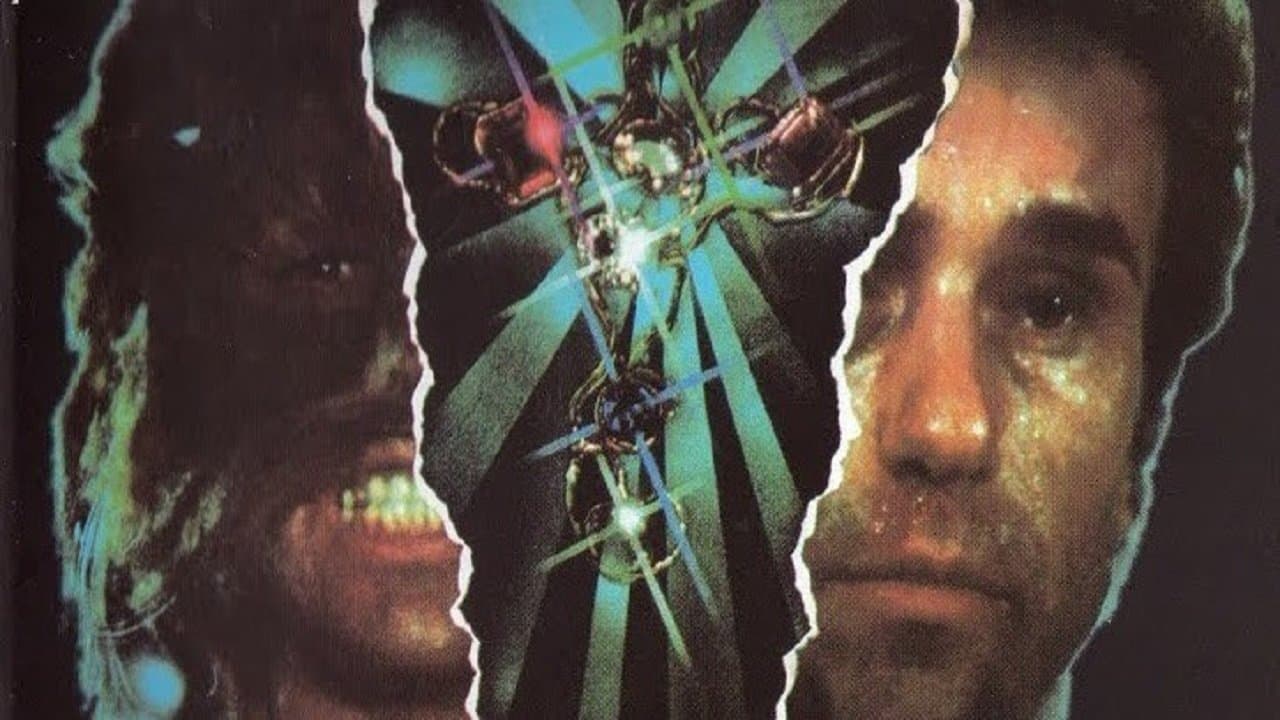
Cinematographically, "Cross of the Seven Jewels" employs striking visuals that enhance the eerie atmosphere and heighten the suspense throughout the narrative. The use of shadow and light plays a crucial role in creating a haunting ambiance, effectively capturing the tension between the protagonist's human side and his monstrous transformations. The film's cinematographer expertly crafts scenes that evoke a sense of dread and anticipation, drawing the audience into the protagonist's psychological turmoil. This visual storytelling not only complements the film's themes but also elevates the overall experience, making it a standout entry in the realm of low-budget horror films.
Production-wise, "Cross of the Seven Jewels" reflects the independent spirit of 1980s cinema, where filmmakers often worked with limited resources to bring their creative visions to life. The film's low-budget origins necessitated innovative approaches to special effects and set design, resulting in a unique aesthetic that has garnered a cult following over the years. The resourcefulness of the production team is evident in the film's creative use of practical effects, which, despite their limitations, manage to leave a lasting impression on viewers. This DIY ethos resonates with audiences who appreciate the charm of independent films, solidifying the movie's status as an intriguing piece of cinematic history.