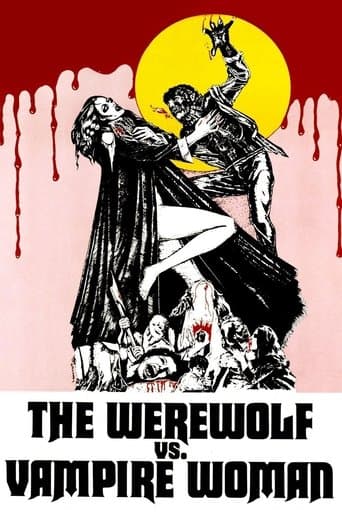
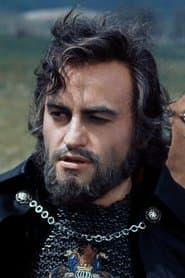
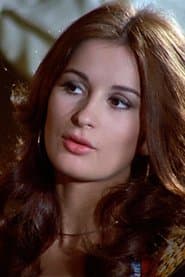
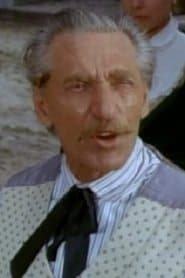
Elvira is travelling through the French countryside with her friend Genevieve, searching for the lost tomb of a medieval murderess and possible vampire, Countess Wandessa. They find a likely site in the castle of Waldemar Daninsky, who invites the women to stay as long as they like. As Waldemar shows Elvira the tomb that supposedly houses the countess, she accidentally causes the vampire to come back to life, hungrier than ever. Daninsky has a hidden secret of his own, but will it be enough to save the two girls from becoming Wandessa's next victims?
"The Werewolf Versus the Vampire Woman," a notable entry in the Spanish horror genre, merges classic tropes of werewolf and vampire lore while embracing a unique narrative flair. At its core, the film explores the dichotomy of female empowerment and victimhood, represented through the characters of Elvira and Countess Wandessa. Elvira, portrayed as a curious and adventurous woman, actively seeks out the tomb of a murderer and vampire, positioning herself as a seeker of truth rather than a passive victim. In contrast, Countess Wandessa embodies the seductive danger of unchecked power and desire. This clash of archetypes not only reflects the era's evolving views on femininity but also critiques the traditional horror narrative where women are often relegated to mere objects of terror or desire.
Culturally, the film arrived during a fascinating time when European horror was experiencing a renaissance, heavily influenced by the gothic revival and the burgeoning interest in supernatural themes. "The Werewolf Versus the Vampire Woman" contributes to this movement, showcasing the Spanish film industry's ability to blend horror with eroticism and dark humor. This combination not only appealed to genre aficionados but also provided a platform for a richer portrayal of sexuality and power dynamics, setting a precedent for future horror films. The film's unique blend of folklore and modern sensibilities allows it to straddle the line between horror and camp, resonating with audiences both in Spain and globally.
From a cinematographic perspective, the film is infused with striking visuals and atmospheric settings that enhance its eerie narrative. The use of shadow and light, particularly in scenes involving the vampire countess, creates a hauntingly beautiful aesthetic that draws on classic horror cinema techniques. The filmmakers employed elaborate set designs, particularly in the castle scenes, which evoke a sense of foreboding and mystery. The cinematography captures the lush landscapes of the French countryside, contrasting the serene beauty of nature with the sinister events that unfold. This juxtaposition serves to amplify the tension and horror elements, showcasing the filmmakers' understanding of visual storytelling in the horror genre.
Production-wise, "The Werewolf Versus the Vampire Woman" is a testament to the collaborative efforts of Spanish filmmakers during the early '70s, particularly under the influence of director León Klimovsky and actor Paul Naschy, who played the werewolf Waldemar Daninsky. Naschy's passion for horror led him to create a character that would become iconic in Spanish cinema, effectively blending his own persona with the tortured nature of the werewolf mythos. The film was part of a broader trend of werewolf and vampire films that sought to redefine horror through a unique cultural lens, establishing a legacy that would influence later works in the genre. Through its engaging narrative and strong thematic elements, the film not only entertains but also invites discussion about the complexities of identity, power, and the supernatural.