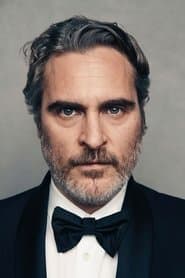
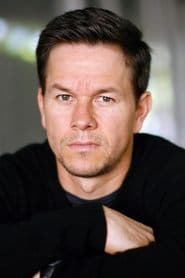
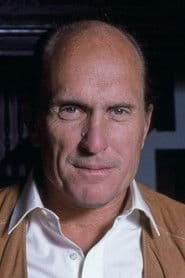
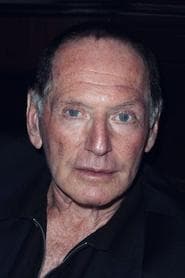
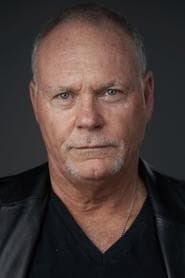
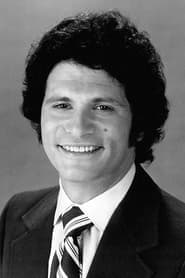
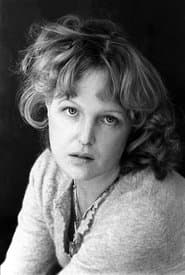
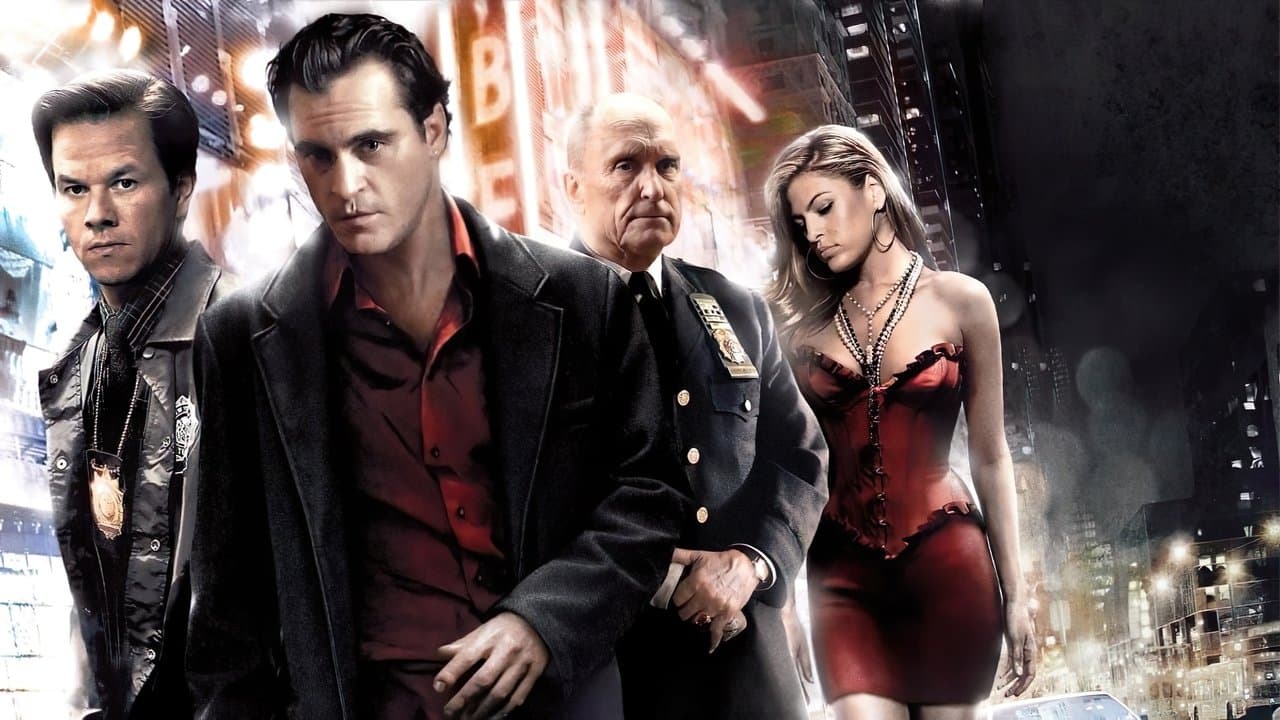
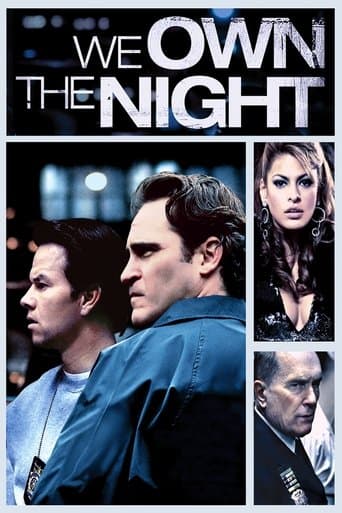
"We Own the Night," directed by James Gray, intricately weaves themes of loyalty, family, and moral ambiguity. Set against the gritty backdrop of 1980s New York City, the film explores the turbulent relationship between the protagonist, Bobby Green, played by Joaquin Phoenix, and his father and brother, who are both entrenched in law enforcement. The film's narrative dives deep into the tensions that arise when familial loyalty collides with one's personal choices, particularly in a world saturated with crime and corruption. Bobby's struggle to reconcile his nightclub lifestyle with the darker realities faced by his family serves as a poignant reflection on the sacrifices made for loved ones, highlighting how the ties that bind can also lead to devastating consequences.
Culturally, "We Own the Night" captures a specific era in New York City history, characterized by rampant crime and the rise of the Russian mafia. The film's portrayal of the 1980s nightlife scene, complete with its vibrant clubs and the pulsating rhythm of disco, offers a nostalgic glimpse into a time that shaped much of the city's cultural landscape. The film thoughtfully contrasts the glamour of the nightclub world with the gritty, often violent realities of law enforcement and organized crime. This duality not only enriches the narrative but also serves as a poignant commentary on the allure of nightlife and the darker sides of ambition and success, resonating with audiences who appreciate the complexities of urban life.
Visually, "We Own the Night" is a masterclass in cinematography, thanks in large part to the work of director of photography, Joaquin Phoenix's frequent collaborator, and acclaimed DP, Harris Savides. The film employs a moody, atmospheric style that encapsulates the tension and unease that permeates Bobby's life. Utilizing a palette of dark hues punctuated by neon lights, Savides creates a visual dichotomy that reflects the film's themes of duality and conflict. The use of handheld cameras and intimate close-ups lends an unsettling realism to the action, allowing viewers to feel the weight of each character's decisions. This stylistic choice immerses the audience in the gritty world of the film, enhancing the emotional stakes and the palpable sense of danger.
The production history of "We Own the Night" is equally fascinating, as it marks a significant collaboration between James Gray and his frequent lead actor, Joaquin Phoenix. The film represents a culmination of Gray's exploration of complex characters and moral dilemmas, a hallmark of his filmmaking style. Additionally, the casting of veteran actors like Robert Duvall and Mark Wahlberg adds depth to the narrative, bringing their own gravitas to the story. The film's development was marked by Gray's desire to create a story that was both personal and universal, reflecting his own experiences growing up in New York. This dedication to authenticity not only enriches the film's narrative but also solidifies its place within the canon of contemporary crime dramas, inviting audiences to reflect on the choices that define us and the families we navigate through life.