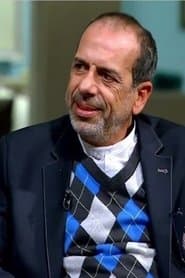
Sayed, a street vendor, enlists the help of the lawyer Azza to prove his and his siblings' ownership of the house they reside in. As Azza looks the ownership documents over, she discovers that the siblings actually own the plot of land on which the Cairo Airport is built.
"We Own the Airport," directed by the talented filmmaker Ali Badrakhan, is a thought-provoking exploration of themes surrounding property, identity, and the socio-economic divide in Egypt. At its core, the film delves into the struggles of everyday people against the backdrop of a rapidly modernizing society. Sayed, the street vendor, embodies the aspirations and hardships faced by many in Cairo, representing a voice for the marginalized. The discovery that he and his siblings own the land beneath the bustling Cairo Airport serves not only as a plot twist but also as an allegory for the struggle for agency and recognition in a world where the powerful often overshadow the voiceless.
Culturally, the film resonates deeply with audiences by addressing the complex dynamics of urban life in Egypt. The juxtaposition of Sayed's humble existence with the grandeur of Cairo Airport highlights the stark contrasts within Egyptian society, where wealth and privilege coexist with poverty and marginalization. This dichotomy encourages viewers to reflect on their own socio-political context, making the film relevant beyond its geographical setting. The narrative prompts discussions about land ownership, legal rights, and the often-overlooked histories that shape contemporary urban landscapes, thereby fostering a greater understanding of the cultural fabric of Egypt.
Cinematographically, "We Own the Airport" employs a rich visual language that enhances its narrative depth. The film captures the vibrant chaos of Cairo through dynamic camera work and thoughtful framing, immersing viewers in the bustling life of the city. The contrast between the intimate, gritty streets where Sayed operates and the expansive, sterile environment of the airport underscores the film’s thematic concerns. The cinematography not only serves to tell a story but also acts as a character in its own right, reflecting the emotional landscape of the protagonists and the broader societal commentary that unfolds throughout the film.
In terms of production history, "We Own the Airport" stands out as part of a wave of Egyptian cinema that sought to address pressing social issues while entertaining audiences. Released in the early 2000s, the film emerged during a period of transition in Egyptian filmmaking, where independent voices began to challenge the mainstream narrative. This film, among others, played a crucial role in revitalizing interest in domestic stories that resonate with local audiences, while also appealing to international film festivals. Its success helped pave the way for future filmmakers in Egypt, encouraging them to explore themes of identity, ownership, and social justice in their works.
Frequently Asked Questions
Reviews
You need to be signed in to write a review.
No reviews yet. Be the first to review this movie!
Discussion
Sign in to join the discussion.
No comments yet. Be the first to share your thoughts!