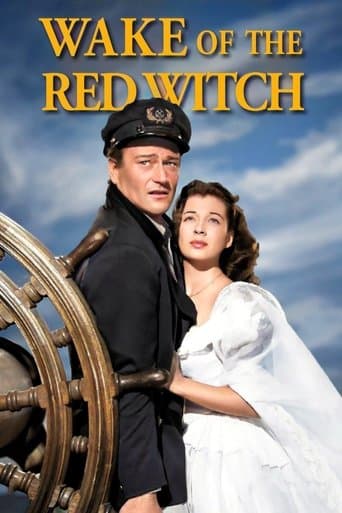
"Wake of the Red Witch," released in 1948, is a fascinating blend of adventure and romance, set against the vibrant backdrop of the South Seas. One of the film's central themes is the struggle for love and loyalty amidst the treacherous world of piracy and greed. Captain Ralls, portrayed by the charismatic John Wayne, finds himself torn between his affection for Angelique Desaix and his fierce rivalry with the unscrupulous Mayrant Sidneye. This conflict elevates the film beyond mere swashbuckling escapades, exploring the complexities of human relationships in a morally ambiguous environment. The nuances of passion, betrayal, and sacrifice resonate throughout the narrative, making it a compelling watch for audiences seeking more than just action.
The film’s cultural impact can be seen in how it reflects post-war American attitudes toward adventure and heroism. Released shortly after World War II, "Wake of the Red Witch" channels a sense of escapism, allowing viewers to immerse themselves in a world of daring exploits and romantic entanglements. John Wayne, a symbol of American masculinity and resilience, embodies the archetypal hero who confronts both external and internal conflicts. The film contributes to the legacy of 1940s cinema, where stories of adventure often served as a metaphor for the struggles faced by returning soldiers and a society eager to reclaim its sense of adventure and purpose.
Visually, "Wake of the Red Witch" is notable for its cinematography, which captures the allure and danger of the sea with striking imagery. Cinematographer William H. Daniels employs rich colors and dynamic compositions to evoke the beauty and peril of the oceanic landscape. The film’s use of Technicolor enhances the vibrant hues of the tropical setting, creating an almost dreamlike quality that contrasts sharply with the darker themes of piracy and betrayal. The cinematography not only serves to elevate the narrative but also immerses the audience in the lush, exotic world, making it an unforgettable visual experience that lingers long after the credits roll.
The production history of "Wake of the Red Witch" is marked by its ambition and the challenges of bringing such a grand vision to life. Directed by Edward Ludwig, the film faced logistical hurdles, including elaborate set designs and the need for authentic nautical sequences. The incorporation of complex ship maneuvers and sea battles required meticulous coordination and creativity, as the filmmakers sought to create a sense of authenticity amidst the fictional narrative. Additionally, the film’s production reflects the post-war Hollywood landscape, where studios were eager to capitalize on the heightened interest in adventure stories, pushing the boundaries of storytelling and visual effects for the era. This dedication to craft is evident in the film’s engaging narrative and striking visuals, ensuring its place in the annals of classic cinema.