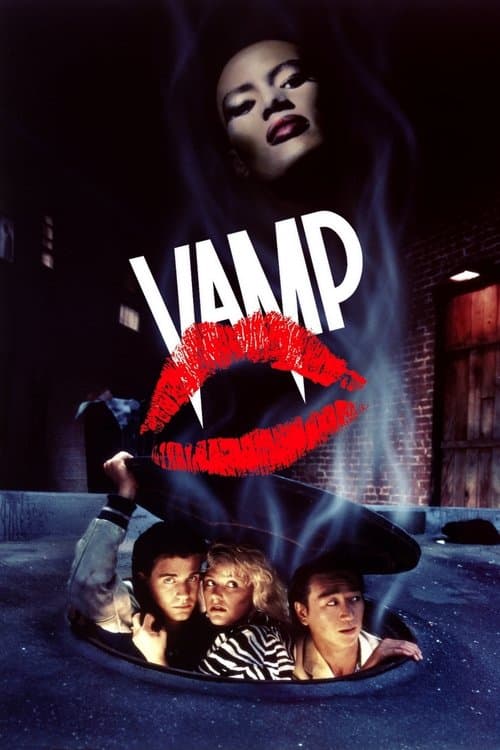
The modern-day story focuses on two beautiful young vampires who are living the good nightlife in New York until love enters the picture and each has to make a choice that will jeopardize their immortality.
"Vamps," directed by Amy Heckerling, is a unique take on the vampire genre that blends comedy with elements of romance, offering a refreshing perspective on immortality and love. One of the film's central themes is the juxtaposition of eternal youth against the inevitability of change. The two vampire protagonists, played by Alicia Silverstone and Krysten Ritter, embody the struggles of modern relationships while grappling with the realities of their undead existence. As they navigate the complexities of love in a fast-paced, ever-changing world, the film cleverly explores how even the most timeless beings must confront the consequences of their choices and the passage of time.
Culturally, "Vamps" arrives at a time when vampire narratives were experiencing a renaissance, largely thanks to franchises like "Twilight" and "True Blood." However, while these series often leaned into darker themes or romantic angst, Heckerling's film embraces a lighter, more comedic tone reminiscent of her previous work in iconic films like "Clueless." This playful approach not only pays homage to classic vampire lore but also subverts the typical tropes associated with the genre, making it a delightful addition to the canon. The film serves as a commentary on the obsession with youth and beauty prevalent in contemporary society, encouraging viewers to reflect on what truly matters in relationships and the sacrifices one might make for love.
The production history of "Vamps" is particularly noteworthy as it showcases Heckerling's distinctive voice in an industry often dominated by blockbuster franchises. With a budget that allowed for a more intimate storytelling style, the film utilizes New York City as a vibrant backdrop, capturing the city's nightlife and cultural diversity. The cinematography, led by veteran director of photography David Mullen, employs a colorful palette that emphasizes the excitement and allure of being young and free, while also contrasting it with the darker, more somber moments that arise as the characters confront their fears. This balance enhances the film's comedic and romantic elements, creating a visual experience that is as engaging as the storyline itself.
Finally, "Vamps" also features a fascinating array of cameos and supporting performances from established actors like Sigourney Weaver and Malcolm McDowell, which adds another layer of intrigue to the film. These appearances not only serve to enrich the narrative but also connect the film to its roots in the vampire genre, with both actors having previously played significant roles in iconic horror films. This intertextuality invites audiences to appreciate the lineage of vampire cinema while enjoying a contemporary story that feels both fresh and nostalgic. Ultimately, "Vamps" is a delightful exploration of love, friendship, and the complexities of being immortal in a rapidly evolving world.