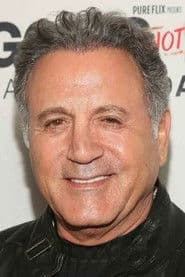
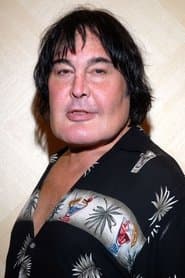
An evil scientist creates a device that controls humans. With a press of the button, the subject will explode. A special forces team called "Total Force" must seek out and destroy the scientist and his lab. Later on in the film they are supported by terrorist Jack O'Hara, played by Frank Stallone. 'Comic relief' is provided by a corrupt senator, whose character is not at all funny.
"Total Force," a 1996 action film, offers a compelling exploration of the themes of control and free will, especially in the context of the late 20th-century anxieties surrounding technology and government manipulation. The concept of a device that can explode a human at the push of a button serves not only as a thrilling plot device but also as a metaphor for the loss of autonomy in a rapidly modernizing world. This fear of technological overreach resonates with audiences who were becoming increasingly aware of the potential dangers posed by advancements in science and military applications, creating a narrative that feels eerily prescient even today.
The film's cultural impact, while not monumental, reflects a specific era in action cinema where over-the-top violence often intertwined with political commentary. Featuring a special forces team tasked with combating a rogue scientist, "Total Force" taps into the zeitgeist of the 1990s, a time rife with Cold War remnants and concerns about terrorism. The character of Jack O'Hara, played by Frank Stallone, adds a layer of complexity; while he serves as an ally to the protagonists, his status as a terrorist complicates the moral landscape of the film. This duality challenges viewers to consider the fine line between heroism and villainy—a theme that continues to be relevant in contemporary film and media.
Cinematographically, "Total Force" employs a mix of practical effects and standard action tropes of its time, aiming to create a visceral experience that resonates with fans of the genre. The film embraces the gritty aesthetic characteristic of 1990s action films, using dynamic camera work and explosive set pieces to heighten tension and excitement. However, the budgetary constraints of the production are evident, leading to some creatively ambitious yet technically flawed sequences that have since become endearingly campy. This blend of earnest action and unintentional humor has earned the film a niche following among aficionados of cult cinema.
The production history of "Total Force" is particularly noteworthy, as it was part of a wave of independent action films seeking to capitalize on the burgeoning home video market. With a relatively low budget, the film managed to attract a cast that included recognizable names, such as Frank Stallone, who brought a unique flavor to the film's otherwise straightforward narrative. The inclusion of a corrupt senator character, intended for comic relief, often misses the mark, highlighting the challenges filmmakers face when attempting to balance humor with serious themes. This aspect of the film, while critiqued, adds to its charm, showcasing the ambitious yet sometimes misguided attempts to craft a multifaceted story in a genre often dominated by one-dimensional characters.