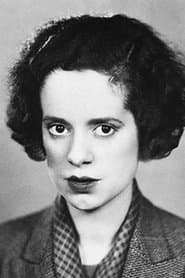
"The Stronger Sex" (1931) is a fascinating exploration of gender dynamics and societal roles during the early 20th century. At its core, the film challenges traditional notions of masculinity and femininity by placing the protagonist in a morally complex situation. The narrative unfolds as a man must confront his feelings of jealousy and vulnerability when he finds himself rescuing the very man with whom his wife has been romantically involved. This storyline not only highlights the fragility of human relationships but also reflects the shifting perceptions of gender roles during this period, as the film seeks to redefine what it means to be strong in both emotional and physical contexts.
The film’s production history is also notable, as it was released during a time when Hollywood was transitioning from silent films to "talkies." This shift significantly influenced cinematic techniques, and "The Stronger Sex" utilizes sound to enhance the emotional depth of its characters. The dialogue-driven narrative allows for nuanced performances that convey the complexities of love, betrayal, and redemption. Moreover, the film's cinematography, while not as advanced as later works, still effectively captures the claustrophobic tension inherent in the mine disaster sequence, serving as a metaphor for the characters’ entrapment in their own emotional turmoil.
Culturally, "The Stronger Sex" reflects the anxieties of the era, particularly regarding labor and industrialization. The backdrop of a coal mine disaster serves as a powerful symbol of the dangers faced by working-class individuals and the fragility of their lives. This theme resonated deeply with audiences during the Great Depression, a time marked by economic instability and insecurity. The film not only entertains but also prompts viewers to reflect on the social issues of the day, making it a significant piece of cinema that engages with the struggles of the common man.
Lastly, the film's reception and legacy are intriguing, as it offers a window into the evolving landscape of early 1930s cinema. While not as celebrated as other films from the era, "The Stronger Sex" contributes to the conversation about the representation of women and the complexities of love and loyalty. Its attempt to navigate the emotional and moral dilemmas faced by its characters sets it apart from contemporaneous works, making it a worthwhile study for those interested in the progression of gender representation in film history. As audiences continue to reassess the narratives of early cinematic works, "The Stronger Sex" stands as a testament to the enduring relevance of its themes.
Frequently Asked Questions
Reviews
You need to be signed in to write a review.
No reviews yet. Be the first to review this movie!
Discussion
Sign in to join the discussion.
No comments yet. Be the first to share your thoughts!