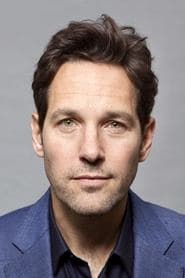
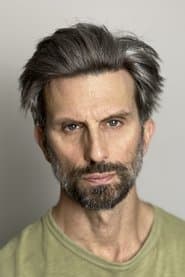
Quiet, unassuming Adam is changing in a major way, thanks to his new girlfriend, art student Evelyn. Adam's friends are a little freaked by the transformation.
"The Shape of Things," directed by Neil LaBute, is a thought-provoking exploration of art, manipulation, and the complexities of modern relationships. One of the film’s most compelling themes is the nature of authenticity versus artifice. Evelyn, the art student, embodies the idea that art can be a transformative force, but her manipulation of Adam raises questions about the ethical boundaries of artistic expression. As she reshapes not just Adam’s appearance but also his identity, viewers are invited to consider how far one might go in the name of love or artistic vision, blurring the lines between genuine connection and self-serving ambition.
Culturally, the film resonates with the early 2000s zeitgeist, particularly in its critique of consumerism and the superficiality of contemporary relationships. LaBute cleverly uses the setting of a college campus, a microcosm of society, to examine how personal transformation can be both a pursuit of self-improvement and a façade to fit societal expectations. The dynamics between Adam and his friends, who are disturbed by his changes, reflect a broader commentary on how society often resists change and authenticity, favoring the comfort of the status quo. This tension highlights the film's relevance in discussions about identity and societal pressures that continue to evolve today.
In terms of cinematography, "The Shape of Things" employs a straightforward yet effective visual style that mirrors the film’s themes of transformation and artifice. The use of close-ups captures the emotional nuances of the characters, particularly Adam's internal struggle as he undergoes a physical and psychological metamorphosis. The stark, minimalist settings accentuate the art-driven narrative, allowing the focus to remain on the characters and their interactions. This choice underscores LaBute’s intention to strip away distractions, forcing the audience to confront the raw emotional stakes at play in the characters’ relationships.
Production-wise, "The Shape of Things" is particularly notable for its roots in theater, having originated as a play written by LaBute himself. The transition from stage to screen retains much of its dialogue-driven essence, allowing the actors' performances to shine in a way that feels both intimate and immediate. Starring the likes of Paul Rudd and Rachel Weisz, the film showcases a talented ensemble that enhances the narrative's emotional depth. This theatrical background also contributes to the film's dialogue-heavy scenes, where the power dynamics and psychological games between the characters unfold in a way that feels both natural and compelling, emphasizing LaBute’s strength as a playwright turned filmmaker.