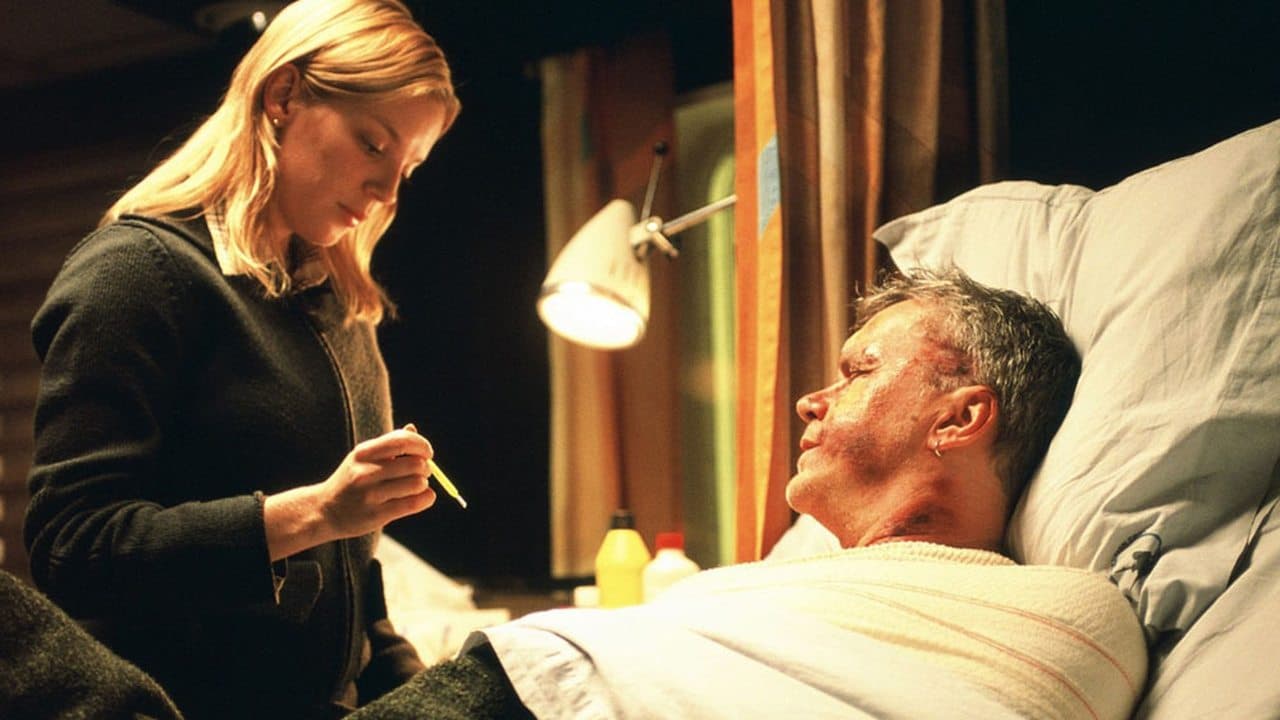
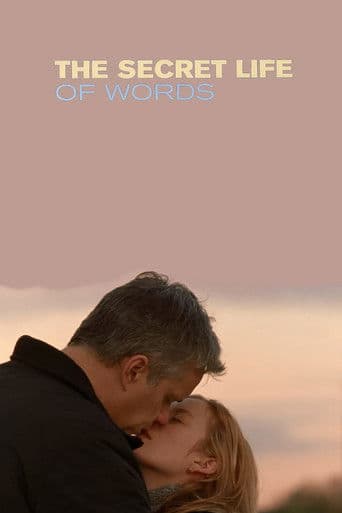
"The Secret Life of Words," directed by Isabel Coixet, delves deeply into themes of isolation, trauma, and the healing power of human connection. At the heart of the narrative is the relationship between Hanna, a solitary nurse played by Sarah Polley, and her patient, the burn victim Josef, portrayed by Tim Robbins. The film beautifully captures the emotional barriers that both characters face—Hanna's own traumatic past and Josef's physical scars. The exploration of how they gradually open up to one another serves as a poignant reminder of the need for empathy and understanding in the face of suffering, illustrating how vulnerability can lead to profound connections.
Culturally, the film resonates with audiences due to its exploration of the often-overlooked struggles of individuals dealing with trauma. Set against the stark backdrop of a remote oil rig, the film raises awareness about the emotional toll of industrial accidents and the often-invisible scars they leave behind. By focusing on the human stories behind such events, Coixet opens a dialogue about the importance of mental health, particularly in high-stress professions. The film encourages viewers to consider the personal narratives that lie beneath public tragedies, emphasizing the universal need for compassion and support in times of hardship.
From a cinematographic perspective, the film employs a distinctive visual style that enhances its emotional depth. The use of muted colors and soft lighting creates an intimate atmosphere, reflecting the characters' internal struggles and fostering a sense of solitude that permeates the film. Coixet's direction, combined with the thoughtful framing and composition of each shot, invites viewers to engage deeply with the characters' emotional landscapes. The cinematography serves not only as a visual narrative device but also as a means of immersing the audience in the characters' experiences, making their journey toward healing feel both personal and relatable.
Production-wise, "The Secret Life of Words" stands out as a testament to Coixet's ability to create powerful stories with limited resources. Filmed in a relatively short time frame and on a modest budget, the film's strength lies in its writing and performances rather than extravagant visuals or action sequences. This approach underscores the film's central themes of simplicity and authenticity, allowing the raw emotional performances of Polley and Robbins to shine. The film's success at various film festivals further solidifies its impact, proving that profound storytelling can resonate deeply, irrespective of the scale or budget of its production.