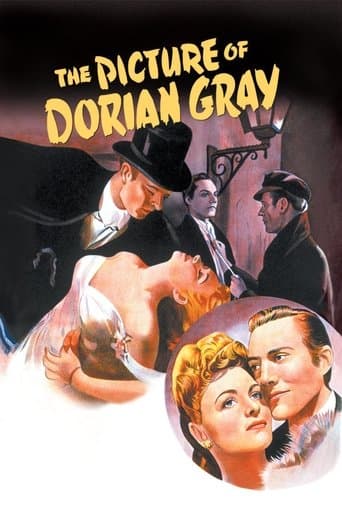
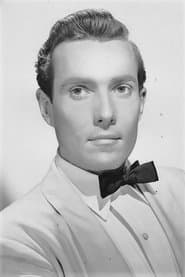
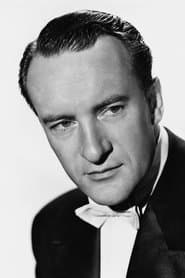
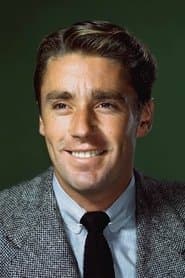
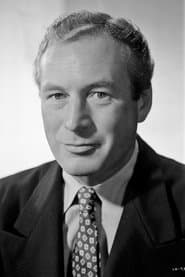
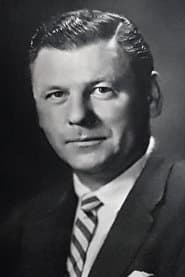
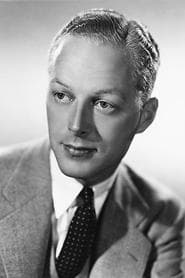
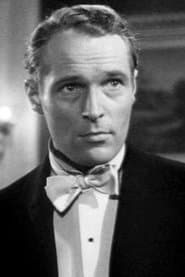
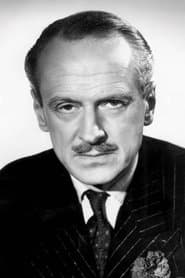
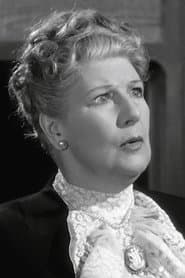
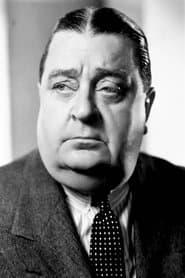
"The Picture of Dorian Gray," directed by Albert Lewin in 1945, is a fascinating exploration of aestheticism and moral decay, rooted deeply in Oscar Wilde's original novel. One of the film's central themes is the dichotomy between surface beauty and inner corruption. Dorian Gray, portrayed by George Sanders, embodies this conflict as he becomes increasingly consumed by vanity and hedonism while his portrait, painted by Basil Hallward, reflects the toll of his moral degradation. This theme resonates with audiences, prompting reflections on the nature of beauty and the consequences of a life devoted solely to pleasure, ultimately serving as a cautionary tale about the perils of indulgence in a rapidly changing society.
The film's cultural impact is noteworthy, especially considering the era in which it was released. Coming out shortly after World War II, "The Picture of Dorian Gray" captured the anxieties of a society grappling with the loss of innocence and the shadows of moral ambiguity. The film's exploration of vanity and the consequences of a life lived without ethical boundaries resonated with a post-war audience that was beginning to question the values of the past. Its bold themes of corruption and societal hypocrisy laid the groundwork for future cinematic explorations of similar moral dilemmas, influencing genres that delve into the darker aspects of human nature.
Visually, the film is a triumph of cinematography, with its striking use of light and shadow to enhance the themes of duality and moral conflict. Cinematographer Harry Stradling employed innovative techniques, such as chiaroscuro lighting, to emphasize the contrast between Dorian's outward beauty and the grotesque truths revealed in his portrait. This artistic choice not only heightens the tension throughout the film but also serves as a poignant visual metaphor for Dorian's internal struggle. The haunting imagery of the painting, which becomes increasingly disfigured as Dorian descends into depravity, is a masterclass in visual storytelling that adds layers of meaning to the narrative.
The production history of "The Picture of Dorian Gray" is equally compelling, marked by the tension between its source material and the Hollywood code of the time. The original novel's themes of sexuality and moral transgression posed significant challenges for filmmakers, leading to a careful, sometimes sanitized adaptation. Lewin, however, skillfully navigated these limitations, infusing the film with a sense of gothic horror that both honored Wilde's intentions and adhered to the prevailing cinematic norms. The result is a film that manages to evoke the spirit of Wilde's critique of Victorian morality while still presenting a visually captivating and engaging narrative, ensuring its place as a classic in American cinema.