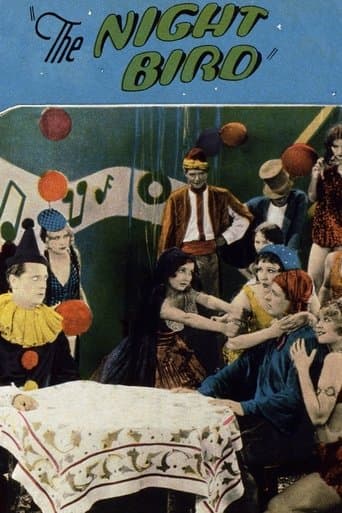
"The Night Bird," a silent film released in 1928, showcases the intersection of romance and the gritty world of boxing, a theme that resonates deeply with audiences even today. The film tells the story of a boxer who finds love with a girl he meets in a park, an encounter that becomes a catalyst for both personal and professional transformation. This juxtaposition of the brutal sport with tender romance highlights the vulnerabilities of its characters, ultimately illustrating that love can be a powerful motivator for change. The narrative reflects the broader societal shifts of the late 1920s, where traditional masculinity was being redefined, and emotional connections began to take precedence in storytelling.
Culturally, "The Night Bird" stands as a testament to the evolving landscape of cinema during the late silent era, just before the advent of sound in film. The film captures the zeitgeist of the Roaring Twenties, a period characterized by a sense of liberation and experimentation in both social norms and artistic expression. The boxing backdrop symbolizes not just the physical struggles of the protagonist, but also the emotional and societal battles faced by individuals during a time of change. In this way, the film provides a lens through which audiences can explore the complexities of love and ambition, reflecting the hopes and anxieties of a generation on the brink of modernity.
The cinematography of "The Night Bird" is particularly noteworthy for its innovative use of light and shadow, which enhances the emotional depth of the narrative. The filmmakers employed techniques characteristic of expressionism, using stark contrasts to convey the internal conflicts of the characters. This visual storytelling not only heightens the drama but also serves to immerse the audience in the protagonist's tumultuous journey. The boxing scenes are especially well-crafted, capturing the raw energy of the sport while juxtaposing it with the softer, more intimate moments shared between the boxer and his love interest. This stylistic approach elevates the film from a simple romance to a rich, multi-layered narrative that resonates on various levels.
Production-wise, "The Night Bird" reflects the challenges and innovations of the silent film industry during its twilight years. As filmmakers were starting to experiment with sound and dialogue, there was a heightened emphasis on visual storytelling and performance to convey emotion and narrative depth. The film was produced at a time when studios were beginning to transition to talking pictures, leading to a sense of urgency in crafting compelling silent narratives that would captivate audiences. This context not only influenced the film's production values but also shaped the performances, as actors relied heavily on expressive gestures and facial expressions to communicate their characters' inner lives. As a result, "The Night Bird" is not only a romantic tale but also a significant artifact from a pivotal moment in film history.
Frequently Asked Questions
Reviews
You need to be signed in to write a review.
No reviews yet. Be the first to review this movie!
Discussion
Sign in to join the discussion.
No comments yet. Be the first to share your thoughts!