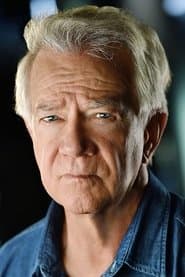
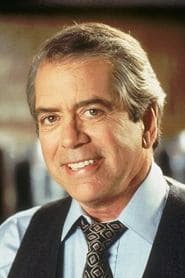
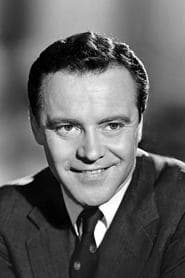
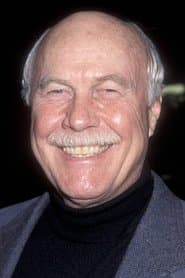
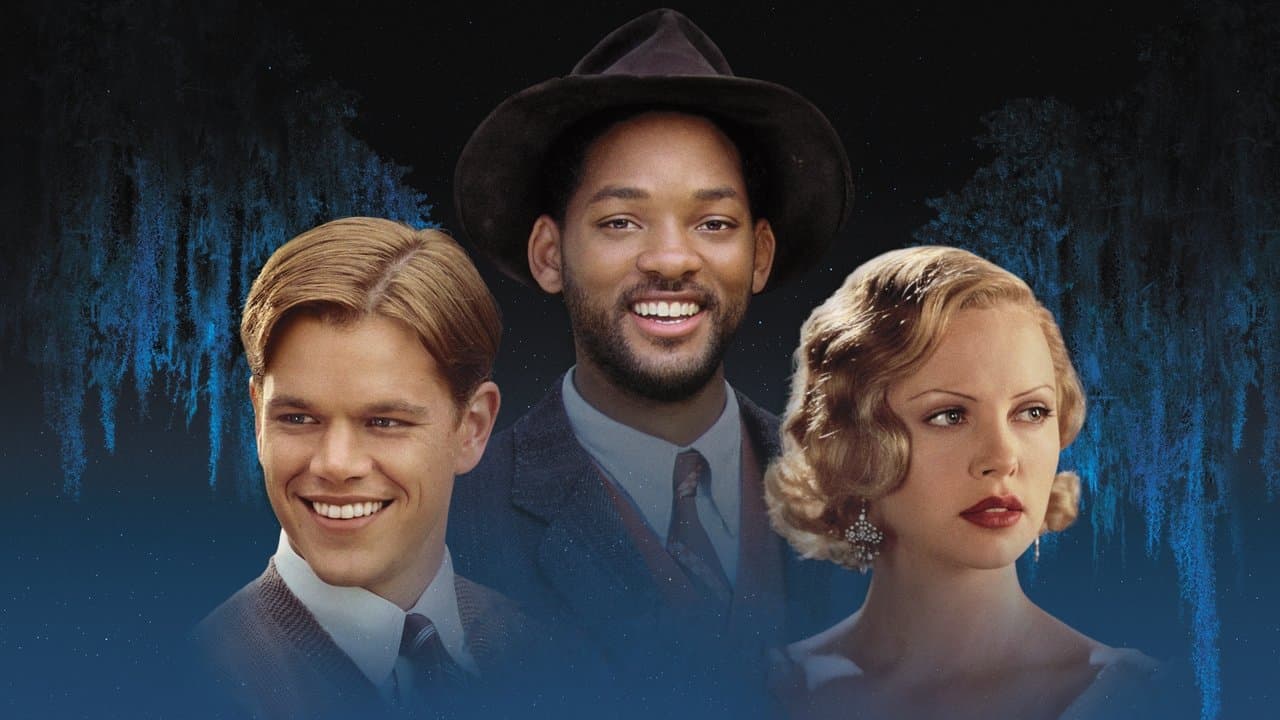
World War I has left golfer Rannulph Junuh a poker-playing alcoholic, his perfect swing gone. Now, however, he needs to get it back to play in a tournament to save the financially ravaged golf course of a long-ago sweetheart. Help arrives in the form of mysterious caddy Bagger Vance.
"The Legend of Bagger Vance," directed by Robert Redford, is steeped in themes of redemption and the search for authenticity. Set against the backdrop of the 1930s, a time when America was grappling with the aftermath of the Great Depression, the film explores how the characters navigate their inner demons and societal pressures. Rannulph Junuh, portrayed by Matt Damon, embodies the struggle of returning to one’s roots and reclaiming a lost sense of self—both on the golf course and in life. The film suggests that true mastery comes not just from skill, but from aligning with one’s inner spirit, a message that resonates deeply with audiences seeking inspiration in their own struggles.
Culturally, "The Legend of Bagger Vance" serves as a fascinating meditation on race and mentorship in America. The relationship between Junuh and his enigmatic caddy, Bagger Vance, played by Will Smith, is emblematic of the broader societal context of the time, particularly in the South. Vance is not only a guide for Junuh’s golf game but also represents a bridge between different worlds. Their interactions hint at the complexities of race relations, particularly in a sport historically dominated by white players. This dynamic adds layers to the narrative, prompting viewers to consider the significance of mentorship across racial divides and the importance of understanding one another in the pursuit of personal growth.
Visually, the film is a testament to the artistry of its cinematography, helmed by the talented Philippe Rousselot. The lush landscapes of the Georgia golf course are not merely a backdrop but a character in themselves, beautifully capturing the essence of the American South. Rousselot’s use of natural lighting and sweeping shots immerses the audience in the tranquil yet charged atmosphere of the game. The cinematography enhances the meditative quality of golf while drawing parallels to the emotional journey of the characters. This visual storytelling plays a crucial role in amplifying the film's themes of balance, nature, and the quest for inner peace.
In terms of production history, "The Legend of Bagger Vance" is notable for its adaptation of Steven Pressfield’s 1995 novel, which struggled for years to find the right cinematic interpretation. The film took root in the early 2000s, with Robert Redford at the helm, who was passionate about translating the philosophical elements of the story onto the screen. This passion is evident in the film’s pacing and tone, which reflect a deep reverence for the game of golf as well as the journey of self-discovery. Despite mixed reviews upon its release, the film has since garnered a cult following, resonating with viewers who appreciate its blend of sports drama and spiritual exploration, further solidifying its place in the pantheon of sports films.