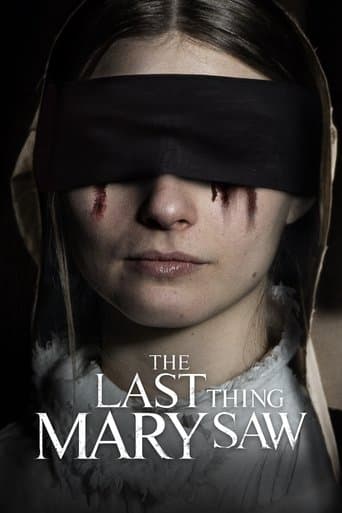
Winter, 1843. A young woman is under investigation following the mysterious death of her family's matriarch. Her recollection of the events sheds new light on the ageless forces behind the tragedy.
"The Last Thing Mary Saw" is a fascinating exploration of themes such as repression, religious fanaticism, and the struggle for identity. Set against the backdrop of a strict Puritan community in 1843, the film delves into the oppressive nature of societal and familial expectations, particularly concerning gender and sexuality. Mary, the protagonist, grapples with her burgeoning feelings for a woman while simultaneously navigating the rigid moral framework imposed by her family and religion. This conflict serves as a poignant critique of how oppressive beliefs can lead to tragedy, ultimately highlighting the devastating consequences of living in a world where love is stifled by dogma.
Cinematographically, the film is a visual feast that employs a deliberate and haunting aesthetic to enhance its eerie narrative. The use of natural lighting and muted color palettes effectively evokes the starkness of the 19th-century setting, immersing viewers in the chilling atmosphere of Mary's world. The framing and composition of shots often create a sense of confinement, reflecting the characters' emotional and physical entrapment within their circumstances. This visual approach not only serves to heighten the tension but also reinforces the film's thematic exploration of isolation and the suffocating grip of tradition.
In terms of cultural impact, "The Last Thing Mary Saw" resonates deeply with contemporary discussions surrounding LGBTQ+ rights and the ongoing struggle against systemic oppression. By placing a queer love story at the center of a historical narrative, the film invites viewers to reflect on the parallels between past and present struggles for acceptance and freedom. It serves as a reminder that the fight against intolerance is not a relic of history but a continuing battle that resonates in today's society. This relevance has sparked conversations about representation in horror and period films, showcasing the importance of diverse narratives in genres that often overlook marginalized voices.
The production history of "The Last Thing Mary Saw" is equally compelling, as it marks a significant effort from first-time feature director Edoardo Vitaletti. His vision, coupled with a talented cast, including the likes of Stefanie Scott and Judith Roberts, helped bring this haunting tale to life. Vitaletti's background in short films and theater is evident in the film's meticulous pacing and character-driven storytelling. The film was shot in New York, utilizing its historical landscapes to enhance authenticity, and the collaborative efforts of the cast and crew reflect a commitment to crafting a nuanced narrative that honors the complexities of its characters and themes. This dedication to storytelling not only enriches the film but also sets a promising foundation for Vitaletti's future projects in the realm of horror and beyond.