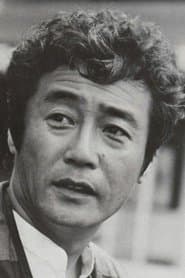
The King of Minami: Yakuza Finance (2001) | Movie Covers
The King of Minami: Yakuza Finance(2001)
May 11, 2001
1h 30m
#36 in the series, following "License for Cruelty." The CEO of a yakuza-backed finance company teams up with a shady consultant to convince debtors to sign away the deed to their property in order to declare bankruptcy and clear their debts.

"The King of Minami: Yakuza Finance" (2001) delves into the murky waters of financial manipulation and moral ambiguity, reflecting deep-seated themes of desperation and survival in a post-bubble economy. Set against the backdrop of Japan's economic struggles in the late 1990s, the film examines how individuals, driven by desperation, become entangled in the web of yakuza influence. The portrayal of characters who exploit the misfortunes of debtors serves as a striking commentary on the lengths people will go to reclaim their financial stability, ultimately questioning the ethical boundaries of business practices in a capitalist society. This tension between morality and survival resonates profoundly, making the film a poignant reflection on the human condition.
Culturally, "The King of Minami: Yakuza Finance" is part of a broader narrative trend in Japanese cinema that explores the yakuza's dual role as both criminal and protector within society. The film highlights the yakuza's complex relationship with capitalism, showcasing how they adapt and thrive within the legal gray areas of finance. This portrayal has sparked discussions about the perception of organized crime in Japan, positioning the yakuza not merely as villains but as pivotal players in the socio-economic landscape. The film invites audiences to reconsider traditional narratives surrounding criminality and morality, blurring the lines between right and wrong in a society grappling with financial despair.
Visually, the cinematography of "The King of Minami: Yakuza Finance" employs a gritty realism that enhances the film's themes of desperation and corruption. The use of urban landscapes and close-up shots conveys an intimate yet unsettling atmosphere, immersing viewers in the characters' struggles. The juxtaposition of bustling city life with the bleak realities of debt and betrayal underscores the film's commentary on the façade of prosperity. This stylistic choice not only captures the essence of contemporary Japan but also reinforces the emotional weight of the narrative, making the viewer acutely aware of the stakes involved in the characters' decisions.
In terms of production history, the film is notable for being part of the long-running "King of Minami" series, which has gained a cult following over the years. The series is known for its unique blend of drama and thriller elements, drawing viewers into a world where the stakes are high, and the consequences of one's choices are dire. The production team consistently delivered high-quality storytelling and performances, with "Yakuza Finance" standing out for its particularly sharp script and strong character development. The film's enduring popularity is a testament to its relevance, as it continues to resonate with audiences who are all too familiar with the complexities of financial hardship and the moral dilemmas that accompany it.
FREQUENTLY ASKED QUESTIONS
REVIEWS
You need to be signed in to write a review.
No reviews yet. Be the first to review this movie!
DISCUSSION
Sign in to join the discussion.
No comments yet. Be the first to share your thoughts!