The King of Minami: License for Cruelty (2000) | Movie Covers
The King of Minami: License for Cruelty(2000)
Nov 10, 2000
1h 15m
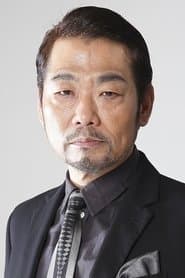
#35 in the series, following "Toichi Ransom." Manda uncovers an extortion operation run by a golf-obsessed businessman (Kenichi Endo), who forces bankrupt business owners to buy back their repossessed items at double the auction price.

"The King of Minami: License for Cruelty" delves into the underbelly of economic desperation, highlighting a prevalent theme of exploitation in the business world. The film’s narrative centers around Manda, who uncovers an extortion scheme that preys on the vulnerabilities of bankrupt business owners, forcing them to repurchase their assets at exorbitant prices. This commentary on the cutthroat nature of commerce resonates in Japan’s post-bubble economy, where many were left grappling with financial ruin. The stark portrayal of desperation serves as a lens through which viewers can examine the moral dilemmas faced in the name of survival, making the film not just a crime drama, but a socio-economic critique.
Culturally, "The King of Minami" is part of a beloved series that resonates deeply with Japanese audiences, particularly in its representation of the Kansai region and its unique dialects and customs. The character of Manda, portrayed as a morally complex anti-hero, embodies the spirit of resilience and streetwise cunning that many viewers identify with. The film reflects the broader cultural fascination with yakuza and organized crime in Japan, presenting a narrative that is both thrilling and grounded in social realities. This series has contributed to a rich tapestry of Japanese cinema that explores themes of loyalty, betrayal, and the consequences of one's choices, making it a staple in the genre.
From a cinematographic perspective, the film utilizes a gritty visual style that complements its themes of corruption and moral ambiguity. The cinematography captures the stark contrasts of urban landscapes, juxtaposing the neon-lit nightlife of Osaka with the more somber tones of the characters’ struggles. This aesthetic choice not only enhances the narrative but also immerses the audience in the world of the characters, making their conflicts feel immediate and visceral. The use of tight close-ups during moments of tension adds to the emotional intensity, allowing for a deeper connection to Manda’s plight and the lives of those affected by the extortion operation.
In terms of production history, "License for Cruelty" is significant as it exemplifies the long-running success of the "King of Minami" franchise, which has become a cultural touchstone since its inception. The film was directed by the esteemed filmmaker Junji Sakamoto, known for his ability to meld action with poignant social commentary. The collaboration of seasoned actors like Kenichi Endo, alongside a skilled crew, ensured that this installment maintained the series' reputation for quality storytelling and memorable performances. The film not only solidified the franchise's legacy but also served as a testament to the evolving landscape of Japanese cinema, where stories of grit and resilience continue to find a home.
FREQUENTLY ASKED QUESTIONS
REVIEWS
You need to be signed in to write a review.
No reviews yet. Be the first to review this movie!
DISCUSSION
Sign in to join the discussion.
No comments yet. Be the first to share your thoughts!