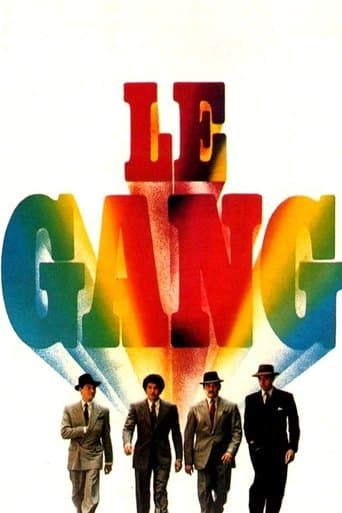
In 1945, as World War Two comes to a close, five small time crooks unite to form a gang. After several bold robberies they become notorious as "the front-wheel drive gang". The police attempt to stop their crime spree with little success, but how long will their luck last?
"The Gang," released in 1977, is a fascinating exploration of camaraderie and moral ambiguity set against the backdrop of post-World War II Italy. The film delves into themes of loyalty and betrayal, highlighting how desperation can forge strong bonds among those who feel marginalized by society. As the gang members embark on their crime spree, their unity is both a source of strength and a potential catalyst for their downfall. This duality emphasizes the complexity of human relationships, particularly in the context of survival, and invites the audience to question the ethics of their actions in a world that seems to have abandoned them.
Culturally, "The Gang" reflects the zeitgeist of the late 1970s, a time marked by economic hardship and social upheaval in Italy. The film captures the disillusionment of the post-war generation, resonating with viewers who may have felt similarly disenfranchised. The gang's exploits serve as a metaphor for the struggle against an oppressive system, making them unlikely anti-heroes in a society that often feels unjust. This connection to the cultural landscape of the time allowed the film to strike a chord with audiences, encouraging discussions about morality, justice, and the consequences of one's choices.
Visually, the cinematography of "The Gang" plays a crucial role in establishing the film's gritty atmosphere. The use of natural light and handheld camera techniques immerses the viewer in the chaotic world of the gang, enhancing the sense of realism and urgency. The film's aesthetic choices, coupled with its dynamic editing, contribute to the frenetic pace of the narrative, amplifying the tension as the gang’s luck begins to wane. By crafting a visually compelling experience, the filmmakers successfully draw the audience into a world where the stakes are high and the consequences of failure can be devastating.
The production history of "The Gang" is also noteworthy, as it was created during a time when Italian cinema was embracing a blend of genres, combining elements of crime, drama, and dark comedy. The film reflects this trend, showcasing the influence of neo-realism while also incorporating stylistic choices that appeal to a broader audience. The collaboration of talented actors and filmmakers, alongside the cultural context of the time, resulted in a film that not only entertained but also provoked thought about the societal issues of the era. This blend of artistry and social commentary has allowed "The Gang" to endure as a significant piece of Italian cinema, appreciated for its depth and resonance.
Frequently Asked Questions
Reviews
You need to be signed in to write a review.
No reviews yet. Be the first to review this movie!
Discussion
Sign in to join the discussion.
No comments yet. Be the first to share your thoughts!