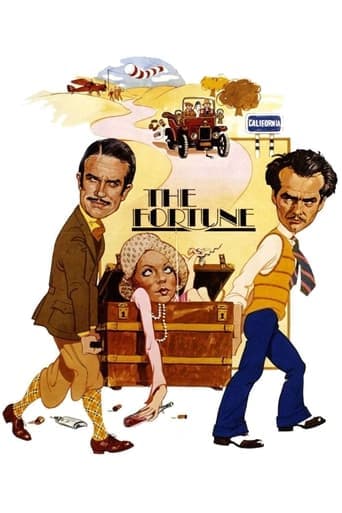
"The Fortune," directed by Mike Nichols and released in 1975, is a delightful blend of comedy and caper that encapsulates the spirit of the 1920s through its flamboyant style and humor. The film's central theme revolves around ambition and greed, showcasing how the desire for wealth can lead individuals into morally ambiguous territories. The bumbling protagonists, played by Jack Nicholson and Warren Beatty, embody the folly of their aspirations, often turning their schemes into comedic misadventures. This exploration of ambition is not merely a critique of the characters' actions but also serves as a reflection on the cultural landscape of the 1970s, where the pursuit of the American Dream often blurred ethical lines.
The film's production history is notable for its star-studded cast and the collaboration between two of Hollywood's most prominent actors of the era, Nicholson and Beatty. This partnership brought a unique dynamic to the film, as both actors not only showcased their comedic talents but also their ability to engage with the audience on a deeper level. The film's script, co-written by the renowned playwright and screenwriter, had its roots in a 1924 play, which speaks to the timelessness of the themes it explores. Additionally, the chemistry between the leads and their comedic timing contributed to the film's charm, making it a memorable entry in the genre of screwball comedies.
Visually, "The Fortune" is a feast for the eyes, with cinematography that captures the opulence and vibrant spirit of the 1920s. Director of Photography Robert Surtees employed lush colors and elaborate set designs that reflect the era's extravagance, enhancing the film's comedic and romantic elements. The cinematography not only serves to create a rich visual palette but also helps to immerse the audience in the world of the characters, where the line between reality and their absurd schemes becomes increasingly blurred. This vivid aesthetic complements the film's narrative, reinforcing the notion that the pursuit of wealth can be both glamorous and ludicrous.
Culturally, "The Fortune" stands as a testament to the evolving nature of comedic storytelling in the 1970s, a time marked by a rebellion against traditional narrative structures. The film's blend of slapstick humor with darker themes of greed and deception reflects a shift towards more complex characterizations in Hollywood comedies. Moreover, the film's reception, while mixed at the time of its release, has grown more favorable over the years, allowing it to find its place in the pantheon of classic comedies. Its influence can be seen in later films that blend humor with darker themes, showcasing how "The Fortune" paved the way for a new era of storytelling that embraces the absurdity of human ambition.