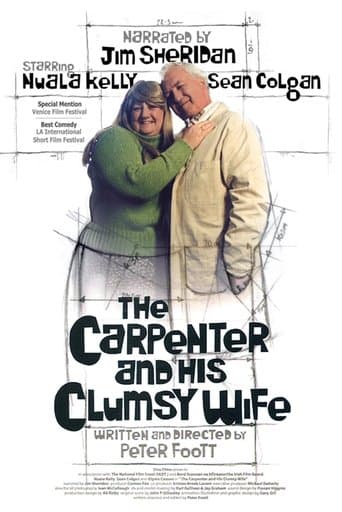
"The Carpenter and His Clumsy Wife" delves into complex themes of love, inadequacy, and the often tumultuous dynamics of marriage. At its core, the film presents a metaphorical exploration of how relationships can be fraught with misunderstandings and the desire to 'fix' our partners rather than accept them as they are. As the carpenter attempts to mend what he perceives as his wife's flaws, the narrative invites viewers to reflect on the unrealistic expectations we place on our loved ones and the inherent beauty in embracing imperfections. This theme resonates deeply across cultures, as it unravels universal truths about the nuances of domestic life and the often unspoken pressures that come with love and partnership.
The film's cultural impact is noteworthy, particularly in how it mirrors societal attitudes toward gender roles and expectations in relationships. Released in 2004, a time when discussions around gender equality were gaining momentum globally, the film serves as both a critique and a reflection of traditional views on marriage. The carpenter's desire to 'repair' his wife highlights the patriarchal impulse to control and reshape women to fit preconceived notions of femininity, making it a relevant commentary on the ongoing struggle for women's autonomy. In this light, the film becomes a poignant vessel for examining the evolving nature of partnerships, where both individuals are encouraged to grow and evolve together rather than conform to rigid roles.
Cinematographically, "The Carpenter and His Clumsy Wife" employs a distinctive visual style that enhances its thematic depth. The use of warm, earthy tones throughout the film not only reflects the carpenter's trade but also symbolizes the warmth of domestic life, juxtaposed against the tension present in the couple's interactions. The camera work often employs close-ups of the characters, allowing audiences to connect intimately with their emotional states and struggles. This stylistic choice amplifies the film's exploration of vulnerability and the rawness of human connection, making the viewer acutely aware of the subtleties in the couple's relationship dynamics.
In terms of production history, the film stands out for its independent roots, showcasing the creativity and resourcefulness of its filmmakers. With a limited budget, the team focused on character-driven storytelling, allowing the narrative to take center stage over elaborate production values. This approach not only resonates with audiences seeking authenticity but also highlights the power of storytelling in cinema. The film's grassroots production serves as an inspiring reminder of how independent cinema can tackle profound themes and challenge conventional norms, ultimately contributing to the broader landscape of global cinema where diverse narratives can flourish.
Frequently Asked Questions
Reviews
You need to be signed in to write a review.
No reviews yet. Be the first to review this movie!
Discussion
Sign in to join the discussion.
No comments yet. Be the first to share your thoughts!