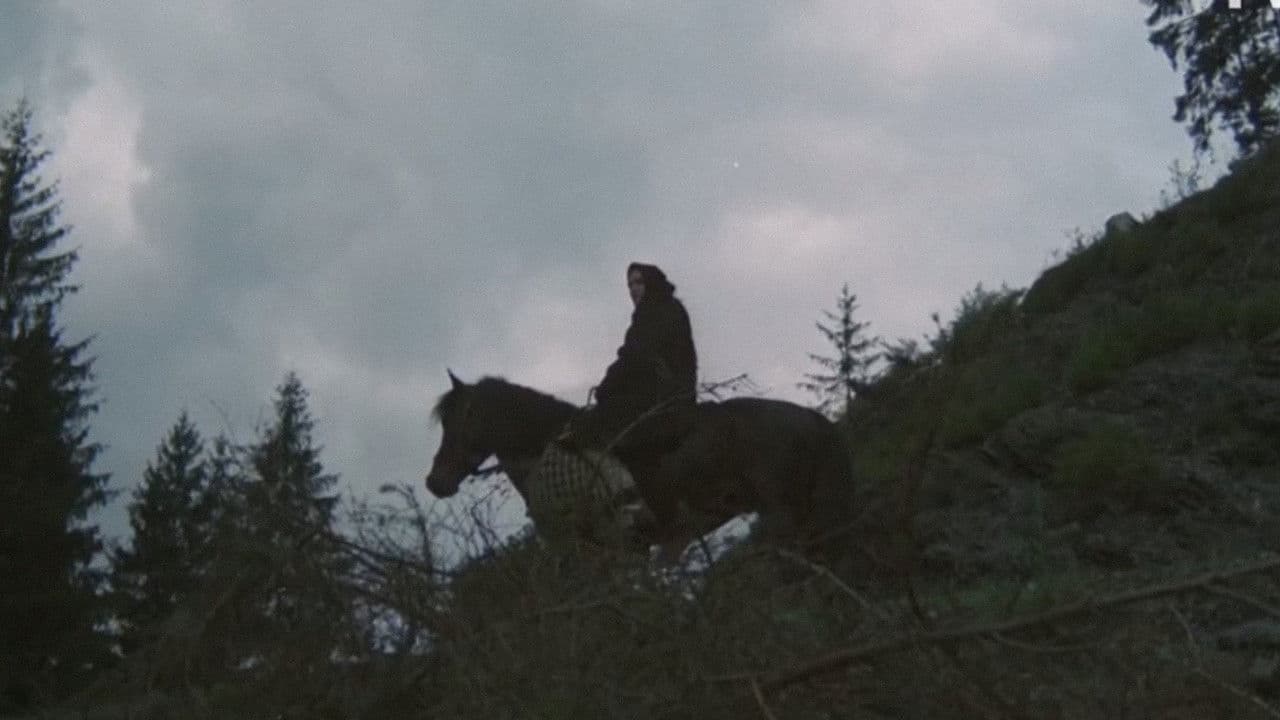
Vitoria, a strong-willed peasant woman from the mountains, sets out on a relentless journey to find out what happened to her husband, the shepherd Nechifor, who disappeared without a trace after leaving to buy sheep.
"The Axe," directed by Romanian filmmaker and writer, is a poignant exploration of themes such as loss, resilience, and the relentless search for truth. The film centers on Vitoria, a determined peasant woman, whose journey to uncover the fate of her missing husband serves as both a personal odyssey and a broader commentary on the struggles faced by women in patriarchal societies. Vitoria’s character embodies strength and tenacity, reflecting the traditional roles of women in rural communities while simultaneously challenging these norms by taking on a quest typically reserved for men. This duality highlights the complex dynamics of gender and power within the context of rural life, making Vitoria’s journey both relatable and emblematic of a broader human experience.
Culturally, "The Axe" resonates deeply within the socio-political landscape of Romania during the late 1960s, a period marked by significant upheaval and transition. The film’s portrayal of a woman navigating a male-dominated world echoes the emerging feminist movements of the time, providing a raw and unfiltered look at the expectations placed upon women. Additionally, the film subtly critiques the socio-economic conditions of rural Romania, where tradition clashes with modernization. This cultural backdrop lends the film a timeless relevance, as it addresses universal themes of identity, community, and the struggle for agency, which continue to resonate with audiences today.
The cinematography of "The Axe" is particularly noteworthy, with its striking visuals capturing the stark beauty of the Romanian countryside. The film employs a naturalistic style that immerses viewers in the harsh realities of peasant life, using the landscape not just as a backdrop but as a character in its own right. The cinematographer's use of lighting and framing amplifies the emotional weight of Vitoria's journey, contrasting the expansive, often unforgiving terrain with the intimate moments of her quest. This visual storytelling enhances the film’s themes, making Vitoria's struggles feel both monumental and deeply personal, thus drawing the audience into her world in a compelling manner.
In terms of production history, "The Axe" stands out as a product of its time, reflecting the artistic experimentation that characterized Romanian cinema in the late 1960s. During this era, filmmakers began to push against the constraints imposed by the state, leading to a wave of innovative storytelling that sought to address social issues while maintaining a distinct artistic vision. "The Axe" exemplifies this shift, showcasing a raw narrative style and a focus on character-driven storytelling. The film’s production, marked by its modest budget and reliance on authentic locations, underscores the dedication of the filmmakers to portray an accurate depiction of rural life, making it a significant piece in the canon of Romanian cinema and an influential work for generations of filmmakers.