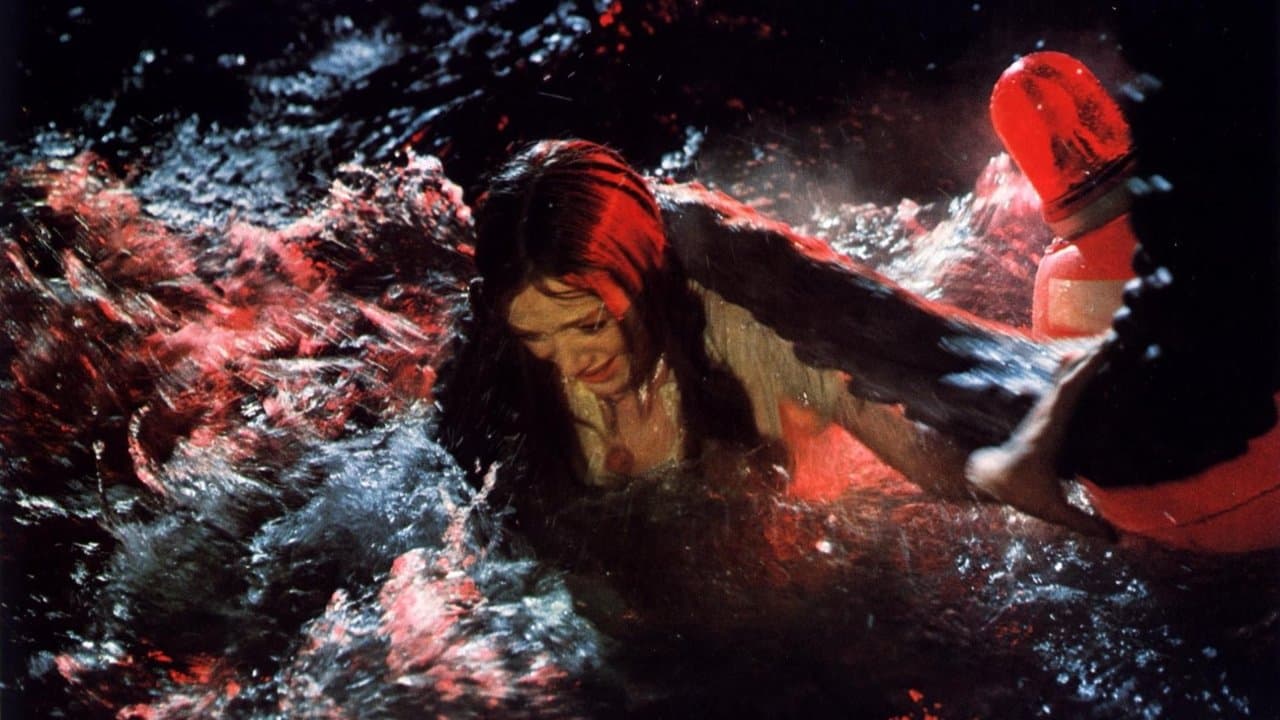
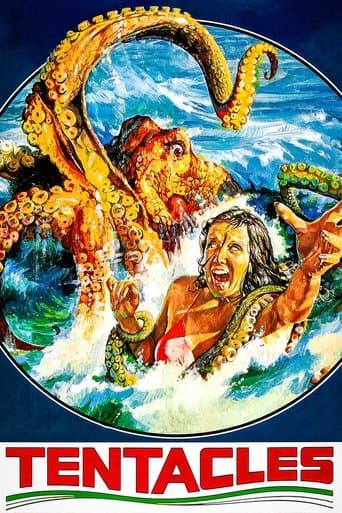
Several people disappear from and at the sea. Their bodies are found gnawed to the skeleton, even the marrow is missing. The scientists have no idea which animal could do such things. Dr. Turner begins to suspect that the company which builds a tunnel beneath the bay might have poisoned the environment and caused an octopus to mutate to giant dimensions...
"Tentacles," released in 1977, embodies the wave of eco-horror films that emerged during a time of increasing environmental awareness. The film’s narrative revolves around the consequences of human interference with nature, specifically the notion that industrial activities, like the construction of a tunnel, can lead to unforeseen and monstrous outcomes. This theme resonates with the growing public concern about pollution and the degradation of marine ecosystems in the 1970s, reflecting a broader cultural anxiety about humanity’s impact on the environment. The mutated octopus serves as a metaphor for nature's retribution, highlighting the potential dangers of unchecked industrial progress—a message that remains relevant in today’s discussions about sustainability and environmental protection.
Cinematographically, "Tentacles" stands out for its ambitious use of underwater filming techniques, which were still relatively novel at the time. The film features a blend of practical effects and animatronics to bring its giant octopus to life, showcasing the creativity and resourcefulness of the filmmakers in a pre-CGI era. However, the execution has garnered mixed reviews; while some scenes effectively build tension and suspense, others exhibit a campy quality that can evoke unintentional humor. This dichotomy has contributed to the film's cult status, as viewers appreciate both its earnest attempts at horror and its somewhat cheesy execution. The cinematography captures the eerie beauty of the ocean depths, juxtaposing the serene visuals with the lurking threat of the monstrous creature, enhancing the overall sense of dread.
The production history of "Tentacles" is equally fascinating, as it was part of a broader trend of Italian-produced monster films that sought to capitalize on the success of earlier blockbusters like "Jaws." The film was notably directed by Ovidio G. Assonitis, who aimed to create an engaging creature feature that would appeal to international audiences. The casting of well-known actors such as John Huston and Shelley Winters, both of whom had significant careers in Hollywood, added a layer of star power that was intended to draw viewers in. The film's combination of Italian filmmaking sensibilities with American star appeal exemplifies the cultural exchange of the time, where international co-productions sought to blend different cinematic traditions for broader appeal.
Despite its mixed critical reception upon release, "Tentacles" has carved out a niche in popular culture, often referenced in discussions about "so-bad-it's-good" cinema. The film’s legacy has been bolstered by its inclusion in various retrospectives of cult films and creature features, as well as its availability on streaming platforms that have revived interest in obscure titles. This resurgence reflects a broader trend where audiences embrace the charm of older films that may have been overlooked at their release. "Tentacles" serves as a reminder of the 1970s exploitation cinema landscape, where filmmakers were often more focused on sensationalism than on narrative cohesion, resulting in a uniquely entertaining experience that continues to engage and amuse audiences today.