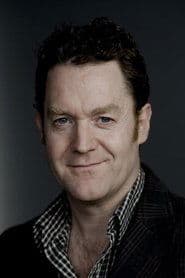
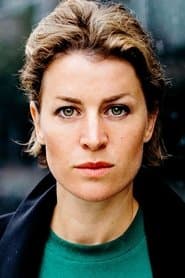
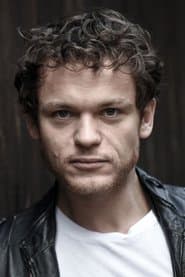
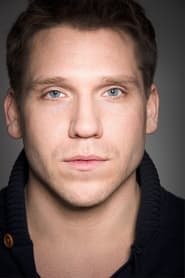
Tobi and Achim, the pride of the local crew club, have been the best of friends for years and are convinced that nothing will ever stand in the way of their friendship. They look forward to the upcoming summer camp and the crew competition. Then the gay team from Berlin arrives and Tobi is totally confused. The evening before the races begin, the storm that breaks out is more than meteorological.
"Summer Storm," directed by Marco Kreuzpaintner, adeptly navigates the intricate landscape of adolescent friendship and sexual identity, portraying the emotional turbulence that can accompany the transition from youth to adulthood. At its core, the film delves into the complexities of Tobi's feelings for his best friend Achim, juxtaposing their camaraderie against the backdrop of burgeoning sexual awareness. This exploration is not merely a coming-out story; it reflects the often-unspoken pressures that accompany the realization of one’s sexuality within the context of friendship and societal expectations. The metaphor of the storm serves as a powerful symbol, representing both internal conflict and the external challenges faced by the characters.
Culturally, "Summer Storm" emerged in a time when LGBTQ+ themes were gaining more visibility in mainstream cinema, yet still faced significant stigmatization. The film's candid portrayal of same-sex attraction among young men resonated with audiences, particularly in Europe, where discussions around sexual identity were becoming increasingly prominent. By presenting a narrative that is both relatable and sincere, "Summer Storm" contributed to a broader dialogue about acceptance and understanding within youth culture, paving the way for more inclusive storytelling in subsequent films. Its success at various film festivals highlighted the importance of such narratives, encouraging young filmmakers to explore similar themes.
Visually, the cinematography of "Summer Storm" captures the essence of summer - the lush landscapes, the shimmering water of the crew competitions, and the intimate moments shared between friends. The use of natural light adds a sense of authenticity, drawing viewers into the serene yet emotionally charged atmosphere of the summer camp. The contrasting elements of calm before the storm and the tumultuous emotional experiences of the characters enhance the film's thematic depth, creating a visually poetic narrative that complements its story. The cinematographer's keen eye for detail ensures that each frame contributes to the overarching emotional journey, immersing the audience in Tobi's inner turmoil.
In terms of production history, "Summer Storm" was a significant project for director Marco Kreuzpaintner, who sought to challenge conventional narratives around masculinity and friendship. The film was shot primarily in Germany, leveraging the country’s picturesque landscapes to create a vibrant backdrop that reflects the characters' internal struggles. The casting of young, relatively unknown actors not only added authenticity to the performances but also allowed the film to resonate with a younger audience, who could see reflections of their own experiences in Tobi and Achim. This choice also emphasizes the film's commitment to exploring genuine emotions, making "Summer Storm" a crucial part of the early 2000s queer cinema landscape.