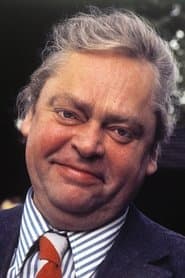
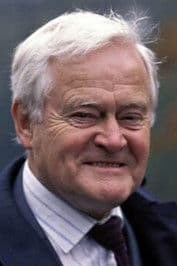
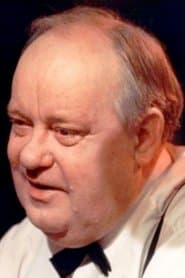
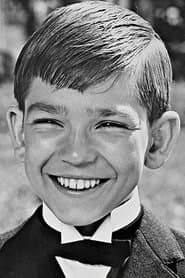
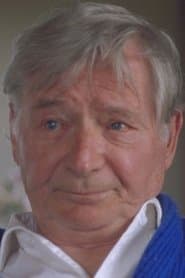
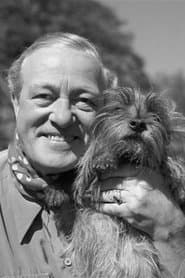
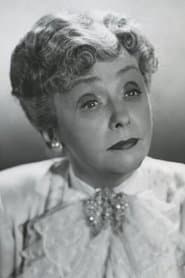
At the Gästhaus "Den Hvide Hest" in the Austrian Alps, romantic entanglements are in full swing. Waiter Leopold is in love with landlady Josepha, who has her eye on charming manufacturer Sigismund, who in turn hits on all women almost as a matter of principle. Klara and Lene also join the battle for the popular manufacturer, while waiter apprentice Mickey would rather just have a goat.
"Summer in Tyrol," a delightful 1964 musical comedy, encapsulates the charm of the Austrian Alps while cleverly intertwining themes of love, rivalry, and personal aspirations. At its core, the film explores the complexities of romantic entanglements against a picturesque backdrop, creating a vibrant tapestry of emotions. The characters, each with their unique desires and dreams, highlight the universal quest for love and fulfillment. This interplay mirrors the societal dynamics of the 1960s, where traditional roles began to shift, and the pursuit of happiness took on new forms, making the film resonate with audiences both at the time of its release and today.
The cultural impact of "Summer in Tyrol" extends beyond its lighthearted narrative, as it showcases the enchanting beauty of the Tyrolean landscape, effectively promoting Austrian tourism. The film captures the idyllic scenery, from lush green meadows to majestic mountain peaks, serving as a love letter to the region. This portrayal not only attracts viewers to the Alps as a vacation destination but also reinforces a sense of national pride in Austria's natural beauty. The film's success contributed to a wave of similar productions that celebrated local culture and landscapes, effectively positioning Austria as a prime location for romantic escapism in cinema.
Cinematographically, "Summer in Tyrol" is noteworthy for its vibrant use of color and lively musical numbers that enhance the film's overall atmosphere. The cinematography captures the radiant hues of the Alpine environment, creating a visually striking contrast to the characters' romantic escapades. The musical sequences are choreographed to reflect the joyous spirit of the story, drawing the audience into the emotional highs and lows of the characters' journeys. This visual flamboyance not only entertains but also solidifies the film's status as a quintessential example of 1960s Euro-pop cinema, where music and romance blend seamlessly in a celebration of life.
The production history of "Summer in Tyrol" is also quite fascinating, as it was part of a larger trend in post-war European cinema that sought to combine lighthearted storytelling with musical elements. The film was produced by a notable studio that had previously been involved in similar successful projects, reflecting a calculated effort to capitalize on the popularity of romantic comedies during that era. The film's catchy songs and engaging performances are hallmarks of this genre, showcasing the talents of its cast and crew, including well-known actors who brought their own charisma to the roles. This strategic blend of music, romance, and scenic allure helped "Summer in Tyrol" secure a lasting place in the hearts of audiences, making it an enduring classic in the realm of feel-good cinema.