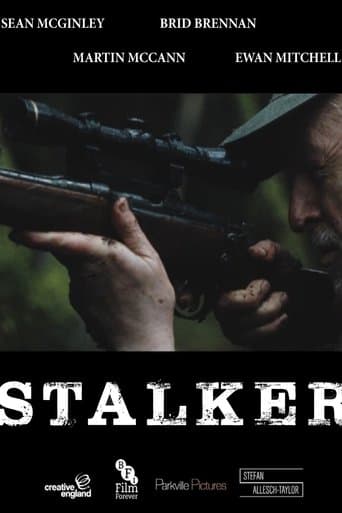
"Stalker" (2019) delves deep into the themes of fear and survival, exploring the psychological ramifications of being pursued by an unseen terror. The film cleverly uses the concept of a shape-shifting stalker as a metaphor for the many forms that anxiety and dread can take in our lives. This thematic exploration resonates with audiences on a personal level, as the film taps into primal fears that many face in a modern world often fraught with uncertainty. The protagonist's journey not only becomes a physical fight for survival but also a psychological battle against the manifestations of his own fears, making the narrative as much about internal conflict as it is about external threat.
Culturally, "Stalker" stands out as a reflection of contemporary societal anxieties, particularly in the context of heightened awareness around issues like personal safety and mental health. The film captures a zeitgeist where the boundaries between the real and the surreal are increasingly blurred, mirroring the pervasive influence of digital technology and social media in our lives. As audiences become more aware of the dangers lurking in their environments – both physical and psychological – "Stalker" serves as a chilling reminder of the predators that can exist in the shadows, whether they be literal or figurative. This haunting relevance has sparked conversations around the importance of mental health awareness and the need for community support in combating these silent struggles.
From a cinematographic perspective, "Stalker" employs a distinctive visual style that enhances the tension and atmosphere of the narrative. The film's use of low lighting, close-up shots, and erratic camera movements effectively immerses viewers in the protagonist's fear and disorientation. The cinematographer's decision to manipulate focus and perspective creates a sense of claustrophobia, making the audience feel as if they are being stalked alongside the main character. This artistic choice not only amplifies the emotional stakes but also serves to reflect the chaotic nature of the protagonist's mind, blurring the lines between reality and paranoia.
The production history of "Stalker" is equally intriguing, as it showcases the collaboration of a passionate independent team dedicated to bringing a unique vision to life. The filmmakers faced numerous challenges, from limited budgets to tight shooting schedules, yet their resourcefulness led to innovative solutions that enriched the film's aesthetic. This grassroots approach to filmmaking has fostered a sense of community among cast and crew, which is palpable in the film's raw energy and authenticity. Their commitment to crafting a compelling narrative against the odds speaks to the resilience of independent cinema and its ability to produce thought-provoking content that captivates audiences and encourages them to confront their own fears.
Frequently Asked Questions
Reviews
You need to be signed in to write a review.
No reviews yet. Be the first to review this movie!
Discussion
Sign in to join the discussion.
No comments yet. Be the first to share your thoughts!