Locked in a high-tech English manor, bound in a deadly duel of wits, Andrew Wyke and Milo Tindle come together as English gentlemen to discuss the matter of Wyke's wife: the woman both are sleeping with.
"Sleuth" (2007), directed by Kenneth Branagh, is a modern adaptation of Anthony Shaffer's 1970 play, which retains its sharp dialogue and clever twists while infusing it with contemporary relevance. One significant theme explored in this film is the nature of deception, both in personal relationships and in the game of life itself. As Andrew Wyke and Milo Tindle engage in their psychological battle, the film delves into how each character constructs their identity through manipulation and storytelling. This exploration of truth and illusion reflects broader societal concerns about authenticity in an age where technology often blurs the lines between reality and performance.
The film's cultural impact is notable, particularly given its exploration of class dynamics and masculinity. Set in a lavish English manor, the story pits two men of different social standings against each other, highlighting the tensions that arise from wealth and privilege. This conflict resonates with audiences in a world increasingly aware of class disparities. The film invites viewers to reflect on the power struggles inherent in relationships, emphasizing that beneath the veneer of civility, there often lurks a primal instinct for dominance and control—a theme that remains relevant in contemporary discussions about gender and power.
Visually, "Sleuth" employs a striking cinematographic style that enhances its theatrical roots. The film is largely confined to the opulent interior of Wyke's manor, and cinematographer Haris Zambarloukos uses this setting to create a claustrophobic atmosphere that heightens the tension between the characters. The interplay of light and shadow, along with clever camera angles, serves to reflect the characters' shifting power dynamics and mental states. This thoughtful approach to cinematography not only reinforces the film's themes but also transforms the dialogue-driven narrative into a visually engaging experience, making it accessible to viewers who may not be familiar with the original play.
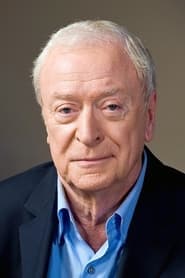
In terms of production history, the 2007 version of "Sleuth" is particularly interesting because it reimagines a classic work for a new generation, showcasing the enduring appeal of Shaffer's writing. Branagh's decision to cast himself as Andrew Wyke and Michael Caine as Milo Tindle brings together two iconic actors from different generations, creating a fascinating juxtaposition of styles and experiences. This casting choice not only honors the legacy of the original film but also injects fresh energy into the narrative, allowing audiences to appreciate the evolution of British cinema. By merging the old with the new, "Sleuth" stands as a testament to the timeless nature of its themes while simultaneously inviting new interpretations in a rapidly changing cultural landscape.