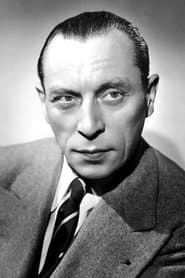
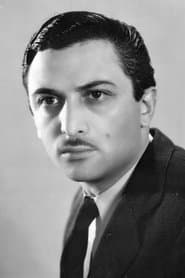
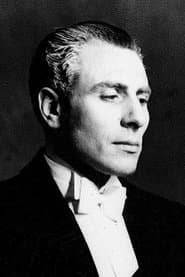
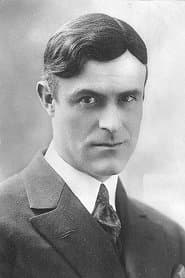
Town trollop Safia, much against her better judgment, falls in love with Matteo, a beggar and mystic in the native quarter of Sirocco. She flees to France, first as the mistress and then wife of a wealthy archaeologist, and bears him Matteo's child, whom he believes to be his own. Complications arise years later when Matteo finds Safia, and a ring of blackmailers uncover her past and exposes her to her husband.
"Sirocco," directed by the accomplished director William Dieterle, is notable for its exploration of complex themes surrounding love, betrayal, and identity. At its core, the film delves into the tension between societal expectations and personal desires, embodied by the character of Safia. Her journey from a life of poverty and shame to one of wealth and status raises pressing questions about the nature of redemption and the sacrifices made in pursuit of a better life. The film poignantly illustrates how one's past can haunt them, no matter how far they try to escape, making it a powerful commentary on the inescapability of personal history.
Culturally, "Sirocco" reflects the anxieties of the late 1930s, a time when many were grappling with the rapid changes brought about by modernity and the looming shadows of global conflict. The film's setting in the exoticized locales of the Middle East captures the era's fascination with the East, yet simultaneously critiques the Western perspective of colonialism and exploitation. The character of Matteo, a beggar and mystic, serves as a foil to Safia's journey, highlighting the often overlooked voices of marginalized individuals in society. This dichotomy between East and West, wealth and poverty, elevates the film beyond mere melodrama, positioning it within a broader socio-political discourse.
From a cinematographic standpoint, "Sirocco" showcases the artistry of its time, with Dieterle employing expressive lighting and composition to enhance the film's emotional depth. The use of shadow and light not only emphasizes the internal struggles of the characters but also creates a lush, atmospheric setting that immerses the audience in the film's exotic backdrop. This visual style serves as a counterpart to the narrative, often reflecting the turmoil and tension experienced by Safia as she navigates the complexities of her relationships and her past.
In terms of production history, "Sirocco" is also notable as it was one of the early films featuring the rising star, actress Mary Astor, who brought a nuanced performance to the role of Safia. Astor's ability to evoke vulnerability and strength resonated with audiences, contributing to her lasting legacy in Hollywood. The film’s production design and costuming also reflect meticulous attention to detail, further enhancing the authenticity of the setting. Despite its relative obscurity today, "Sirocco" remains a compelling artifact of its time, encapsulating the cultural, social, and artistic currents of the late 1930s.
Frequently Asked Questions
Reviews
You need to be signed in to write a review.
No reviews yet. Be the first to review this movie!
Discussion
Sign in to join the discussion.
No comments yet. Be the first to share your thoughts!