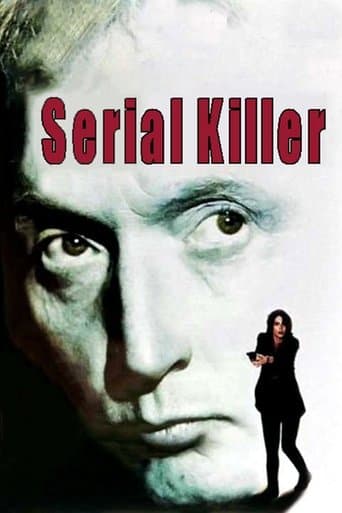
As a member of FBI Psychological Profile Unit, Selby Younger tracks Morrano, vicious and intelligent serial killer. Before getting caught, Morrano attacks her leaving serious psychological wounds. Two years later, Morrano escapes and Selby, now working on a desk job, must face her personal traumas again.
"Serial Killer" (1995) delves deep into the psychological ramifications of trauma, particularly in the realm of law enforcement. The film centers on Selby Younger, an FBI profiler who becomes intimately acquainted with the dark psyche of a serial killer named Morrano. This relationship blurs the lines between hunter and hunted, showcasing the psychological toll that such violent confrontations can evoke. As Selby grapples with her own trauma after Morrano's attack, the film explores themes of vulnerability, resilience, and the haunting specter of fear that often accompanies those tasked with confronting evil. The narrative serves as a commentary on the emotional burdens borne by those in protective roles, highlighting not just their professional challenges but also their deeply personal struggles.
Culturally, "Serial Killer" arrived at a time when the fascination with true crime stories was burgeoning, spurred by the rise of shows and documentaries that dissected the minds of real-life criminals. The film taps into this cultural zeitgeist, presenting a fictional narrative that mirrors the public's growing obsession with the darker aspects of human nature. By portraying a strong female lead in Selby, "Serial Killer" also contributes to a shift in cinematic representation, offering a nuanced perspective on women in positions of power, especially in fields traditionally dominated by men. This focus on a female protagonist navigating both professional and personal demons resonates with audiences, reflecting broader societal conversations around gender, trauma, and empowerment.
In terms of cinematography, "Serial Killer" employs a gritty aesthetic that enhances the film's tension and psychological depth. The use of stark lighting contrasts and claustrophobic framing accentuates Selby’s sense of entrapment, both in her professional life and her psychological state. The film's visual style complements its narrative, with shadowy scenes that evoke a sense of dread and uncertainty, mirroring Selby's internal battle as she confronts her past. This deliberate choice of cinematography not only intensifies the suspense but also invites viewers to engage with Selby’s emotional landscape, making her struggles and triumphs feel all the more visceral.
The production history of "Serial Killer" is also noteworthy, as it was developed during a period when the psychological thriller genre was gaining traction in Hollywood. The film's ability to intertwine elements of horror with a procedural narrative reflects a broader trend of the 1990s, where audiences were increasingly drawn to stories that challenged the boundaries of traditional crime narratives. The collaboration between the cast and crew, particularly the performance of the lead actress, adds an authentic layer to the film, allowing it to resonate with audiences beyond mere entertainment. As a product of its time, "Serial Killer" remains a compelling exploration of the intersection between psychological trauma and the complexities of human behavior, leaving a lasting impression on the genre and its viewers.
Frequently Asked Questions
Reviews
You need to be signed in to write a review.
No reviews yet. Be the first to review this movie!
Discussion
Sign in to join the discussion.
No comments yet. Be the first to share your thoughts!