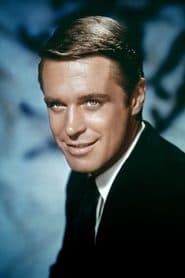
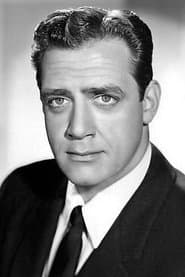
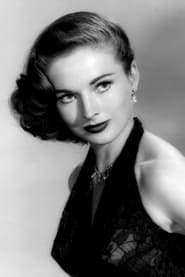
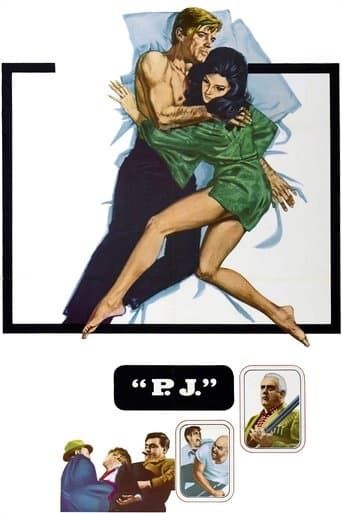
Reluctant New York City private eye P.J. Detweiler is hired as a bodyguard to protect Maureen Preble, the mistress of shady millionaire William Orbison. In truth, Orbison plans a deadly intrigue in which P.J. is to play a central part. Meanwhile, complications ensue as P.J. gradually falls in love with Maureen. (Wikipedia)
"P.J." (1968) stands as a fascinating example of the late 1960s neo-noir genre, blending elements of traditional detective stories with the burgeoning cultural changes of the time. At its core, the film explores themes of moral ambiguity and personal conflict, as P.J. Detweiler, portrayed by George Peppard, navigates a treacherous web of deceit and danger. The character's inner struggles mirror the broader societal changes occurring in America during this period, where traditional values were being questioned, and the complexity of human relationships was becoming more pronounced. P.J.'s reluctant journey from a detached investigator to a man entangled in love and danger captures the essence of a society grappling with its own contradictions.
Cinematically, "P.J." features a distinct style that reflects the era's aesthetic sensibilities. The film employs a mix of vibrant color palettes and evocative urban landscapes of New York City, providing a backdrop that feels alive and pulsating with energy. The cinematography, helmed by the talented cinematographer, utilizes clever framing and composition to enhance the story’s tension and intrigue. The bustling streets and shadowy alleys of the city become almost characters themselves, mirroring P.J.’s internal conflict and the external chaos surrounding him. This visual approach not only grounds the narrative in a specific locale but also serves to heighten the emotional stakes of P.J.'s journey.
The production history of "P.J." is equally noteworthy, as it emerged during a time when Hollywood was beginning to embrace more complex and flawed protagonists. The film was produced by 20th Century Fox, and its release coincided with a shift in audience expectations for more nuanced storytelling in mainstream cinema. While not a blockbuster, "P.J." has garnered a cult following over the years, appreciated for its unique blend of humor, drama, and suspense. The film's exploration of a private investigator's personal and professional dilemmas resonated with viewers seeking depth in characters, paving the way for future films that would embrace this more intricate approach to storytelling.
Moreover, the film's cultural impact can be seen in how it reflects and critiques the era's socio-political landscape. The character of Maureen Preble, played by actress Shirley Winters, represents the complexities of women's roles during a time of shifting gender dynamics. Her relationship with P.J. not only adds a romantic layer but also invites discussions about power, dependency, and autonomy in relationships. This nuanced portrayal challenges the typical femme fatale trope, showcasing a woman who is both vulnerable and resilient. As such, "P.J." serves not only as a gripping detective story but as a commentary on the evolving roles of men and women in society, making it a rich text for analysis in the context of its time.