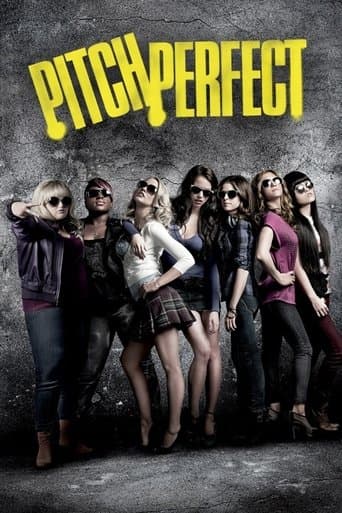
College student Beca knows she does not want to be part of a clique, but that's exactly where she finds herself after arriving at her new school. Thrust in among mean gals, nice gals and just plain weird gals, Beca finds that the only thing they have in common is how well they sing together. She takes the women of the group out of their comfort zone of traditional arrangements and into a world of amazing harmonic combinations in a fight to the top of college music competitions.
"Pitch Perfect" is not just a delightful musical comedy; it's a film that deftly explores themes of identity, belonging, and empowerment. At its core, the story follows Beca as she navigates the complexities of college life and the dynamics within the Bellas, an all-girls a cappella group. Beca's struggle to find her place amidst the cliques reflects a universal college experience, highlighting the importance of authenticity and the courage to break away from societal expectations. The film cleverly showcases how music can serve as a unifying force, allowing individuals from diverse backgrounds to come together, embrace their differences, and ultimately build a supportive community.
Culturally, "Pitch Perfect" has had a significant impact on the resurgence of a cappella music and has inspired a new wave of interest in vocal performance. Following the film's release, a cappella groups on college campuses across the United States saw a substantial increase in popularity, leading to a phenomenon that included competitions and festivals dedicated to the art form. The film's catchy soundtrack also played a pivotal role in revitalizing classic pop songs, introducing a new generation to musical arrangements that emphasize vocal harmony. The success of "Pitch Perfect" has solidified its status as a cultural touchstone, inspiring sequels and a dedicated fanbase that continues to celebrate the joy of singing together.
From a cinematographic perspective, "Pitch Perfect" stands out for its innovative approach to musical sequences and choreography. Director Jason Moore employed dynamic camera angles and editing techniques to create a vibrant and energetic viewing experience that mirrors the excitement of live performances. The film’s use of close-ups and quick cuts during musical numbers captures the intensity of the singers’ emotions and the camaraderie among the Bellas. This energetic visual style not only enhances the musical performances but also adds to the overall comedic tone of the film, making it a memorable and engaging watch.
The production history of "Pitch Perfect" is equally fascinating, as it was adapted from a non-fiction book by Mickey Rapkin that explored the world of collegiate a cappella. The film came together with a relatively modest budget, yet it exceeded expectations at the box office, grossing over $115 million worldwide. The success of the film can be attributed in part to its ensemble cast, which includes Anna Kendrick, Rebel Wilson, and Brittany Snow, each bringing their unique flair and chemistry to the screen. The film's blend of humor, heart, and catchy music not only resonated with audiences but also paved the way for a new era of musical comedies, proving that the right mix of talent and creativity can lead to unexpected triumphs in Hollywood.