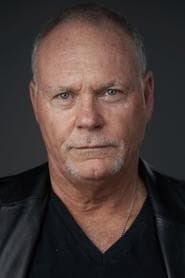
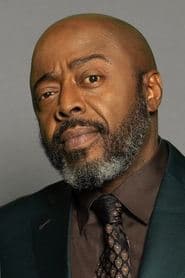
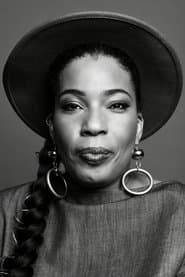
After a drug deal gone wrong, two New York City hustlers relocate to Miami, where they set up a lucrative credit card fraud operation. Unfortunately, their new business not only attracts the police, but the city's top criminals -- and both want a percentage of the take.
"Percentage," directed by the talented filmmaker and actor, J. M. L. "J" Rodriguez, delves deep into the gritty underbelly of crime and desperation. The film explores themes of ambition, betrayal, and the moral ambiguity that often accompanies the pursuit of the American Dream. As the protagonists, portrayed by Rodriguez and co-star, navigate their way through the dangerous waters of credit card fraud, their journey becomes a poignant commentary on the lengths people are willing to go to achieve success. The characters’ choices reveal a complex relationship with morality, as they grapple with the consequences of their actions in a world where survival often necessitates unethical decisions.
The cultural impact of "Percentage" is noteworthy, particularly in its portrayal of the hustle culture that resonates with many urban audiences. Set against the vibrant backdrop of Miami, the film captures the essence of a city known for its glamour and grit. Rodriguez’s narrative reflects the reality faced by many young entrepreneurs in urban areas, where the line between legitimate business and illegal activities can blur. This authenticity resonates with viewers, particularly those familiar with the struggles of making a living in a fast-paced, high-stakes environment. The film serves as both a cautionary tale and a reflection of a society increasingly fascinated by the allure of quick wealth and the risks that come with it.
From a cinematographic standpoint, "Percentage" employs a raw and dynamic visual style that enhances its storytelling. The camera work, characterized by a mix of handheld shots and close-ups, immerses the audience in the chaotic lives of the characters. This technique not only heightens the tension of the narrative but also fosters a sense of intimacy with the protagonists, making their struggles and triumphs feel all the more personal. The vibrant color palette of Miami serves as a stark contrast to the dark themes of the film, creating a visually striking experience that captures the duality of beauty and danger inherent in the characters’ world.
The production history of "Percentage" is also intriguing, as it represents an independent effort in an industry often dominated by big-budget films. Rodriguez, who not only directed but also starred in the film, faced numerous challenges typical of indie cinema, from limited resources to navigating the competitive landscape of film festivals. Despite these obstacles, "Percentage" managed to carve out its niche, showcasing the potential for independent filmmakers to tell compelling stories that resonate with audiences. The film's success is a testament to Rodriguez's vision and determination, highlighting the importance of independent voices in the cinematic landscape and the rich stories that can emerge from them.
FREQUENTLY ASKED QUESTIONS
REVIEWS
You need to be signed in to write a review.
No reviews yet. Be the first to review this movie!
DISCUSSION
Sign in to join the discussion.
No comments yet. Be the first to share your thoughts!