At her 25th high school reunion, Peggy Sue faints and awakens in 1960—back in her senior year, before her marriage and all her regrets. Given a second chance to relive her youth, she must decide whether to change the choices that shaped her life or embrace the past that made her who she is.
"Peggy Sue Got Married," directed by Francis Ford Coppola, is a fascinating exploration of nostalgia and the choices that define our lives. One of the film's central themes is the tension between the yearning for the simplicity of youth and the inevitability of adult responsibilities. Peggy Sue’s journey back to her high school days presents her with the opportunity to reconsider the paths she has taken, highlighting the universal struggle of reconciling dreams with reality. This theme resonates deeply with audiences, as it taps into a shared experience of reflection that many encounter as they reach certain milestones in life, prompting us to consider how our past experiences shape our present selves.
The film’s cultural impact was notable, particularly for its portrayal of life in the 1960s, a period characterized by both innocence and impending social upheaval. The nostalgia for the era is palpable, thanks to the film's vibrant production design and costume choices, which effectively capture the essence of a bygone time. The film not only serves as a time capsule of the 1960s high school experience but also reflects the broader cultural conversations of the 1980s, such as the feminist movement and personal empowerment. As Peggy navigates her choices, the film subtly critiques the societal expectations placed on women, encouraging a discourse on gender roles that was gaining traction during the film's release.
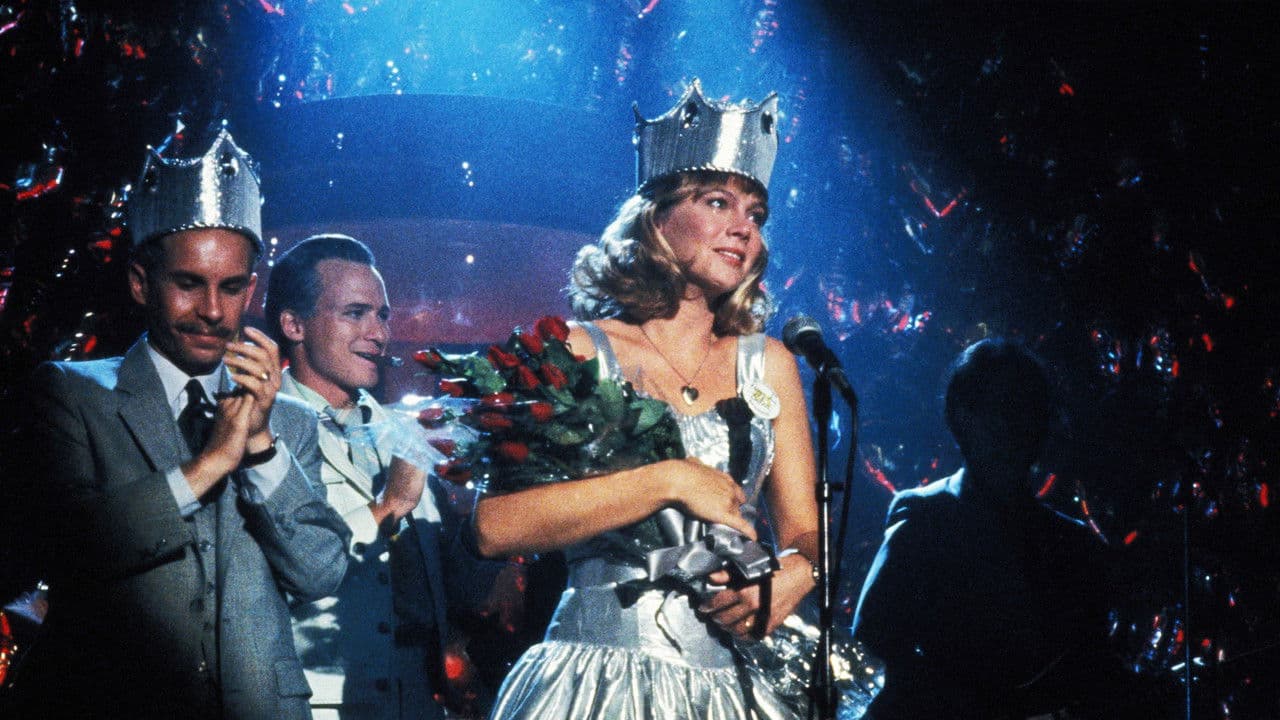
Cinematographically, "Peggy Sue Got Married" employs soft lighting and warm color palettes to evoke a sense of nostalgia and dreaminess, enhancing the surreal quality of Peggy's time travel experience. The cinematographer, Vittorio Storaro, expertly utilizes these visual techniques to create an atmosphere that feels both familiar and otherworldly. The use of different camera angles and shots during pivotal moments underscores Peggy's emotional journey, allowing viewers to connect deeply with her internal conflicts. This artistic choice not only serves the narrative but also elevates the film's overall aesthetic, making it a memorable visual experience.
The production history of "Peggy Sue Got Married" is equally intriguing, particularly because it features a screenplay by Oscar-winning writer John Hughes, who was originally slated to direct the project. However, Hughes’ busy schedule led to Coppola taking the helm, resulting in a unique blend of Hughes' youthful insight and Coppola's cinematic vision. This collaboration brought together two titans of 1980s cinema, and the film benefited from their distinct styles, culminating in a piece that balances humor with deeper emotional resonance. The film also marked a significant moment in the careers of its stars, including Kathleen Turner and Nicolas Cage, both of whom delivered performances that would be remembered as iconic in their respective filmographies.