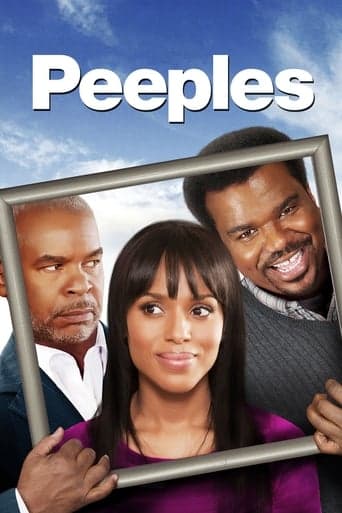
"Peeples," directed by Tina Gordon Chism, is a delightful exploration of love, family dynamics, and the clash of cultures. One of the central themes of the film is the tension between different social classes. Wade Walker, played by Craig Robinson, represents the everyman with humble beginnings, while his girlfriend's family epitomizes the elite, showcasing the comedic yet poignant challenges faced when worlds collide. This theme resonates with audiences as it highlights the universal struggle of navigating relationships that bridge social divides, and it emphasizes the idea that love can transcend these barriers despite the comedic chaos that ensues.
The film also provides a refreshing representation of African American families in cinema. Rather than relying on stereotypes, "Peeples" introduces viewers to a multifaceted family that balances traditional values with modern dilemmas. The characters are well-developed, allowing for a mix of humor and heartfelt moments that reflect the complexities of familial relationships. This representation is significant, as it contributes to a broader narrative in Hollywood that seeks to portray African American experiences in diverse and relatable ways, moving beyond the trope-driven narratives that have historically dominated the landscape.
Cinematographically, "Peeples" employs a vibrant palette that complements its comedic tone. The film utilizes bright colors and lively settings to evoke a sense of warmth and joy, which contrasts with the underlying tensions of the plot. The cinematography captures the essence of family gatherings, with sweeping shots of the picturesque reunion setting that serve to enhance the chaotic interactions among characters. This visual storytelling approach not only engages the audience but also immerses them in the cultural significance of family reunions within African American communities, where such gatherings are often a celebration of heritage and togetherness.
The production history of "Peeples" is notable for its representation of women in film, as it was directed by Tina Gordon Chism, who also penned the script. This marks a significant moment in a Hollywood landscape that continues to strive for greater diversity behind the camera. The film's production journey included support from notable figures in the industry, including filmmaker Tyler Perry, who played a pivotal role in bringing the project to fruition. The collaboration among a talented, predominantly African American cast and crew not only adds authenticity to the film but also signifies a growing movement to create more inclusive narratives that reflect the richness of varied human experiences.