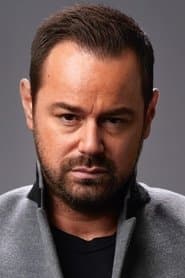
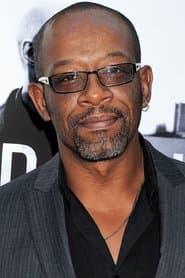
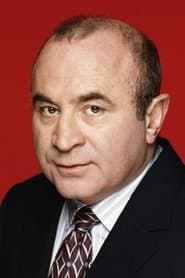
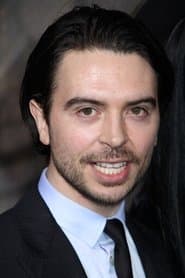
A group of people who feel betrayed by their government and let down by their police force form a modern-day outlaw posse in order to right what they see as the wrongs of society.
"Outlaw," directed by Nick Love and released in 2007, delves deeply into themes of disillusionment and the struggle for justice in a society perceived as corrupt. The film showcases a group of individuals who feel abandoned by the very institutions meant to protect them. This sense of betrayal resonates with audiences, reflecting a broader societal frustration with government inefficacy and police misconduct, particularly in the context of a post-9/11 world where trust in authority is heavily scrutinized. The characters' journey symbolizes a desperate quest for agency, as they take the law into their own hands, raising questions about morality, legality, and the true meaning of justice.
The cultural impact of "Outlaw" can be seen as part of a broader cinematic trend that emerged in the mid-2000s, where vigilante narratives began to gain traction. This film taps into a growing sentiment among viewers who feel powerless in the face of systemic failures. By presenting a raw and gritty portrayal of individuals banding together to create their own brand of justice, "Outlaw" resonates with those who yearn for empowerment in a world that often feels unjust. It also serves as a commentary on the moral complexities of vigilantism, prompting discussions about where the line should be drawn between right and wrong and whether the ends justify the means.
Visually, "Outlaw" employs a gritty cinematographic style that reflects the film’s themes of rebellion and chaos. The use of handheld camera work and stark lighting contributes to a visceral experience, immersing viewers in the emotional turmoil of the characters. This stylistic choice not only enhances the tension but also reinforces the urgency of their mission. The cinematography captures the urban landscape in a raw and unfiltered manner, further emphasizing the characters’ alienation from society. This approach underscores the film's assertion that the world they inhabit is one fraught with danger and moral ambiguity, making their quest for justice feel all the more urgent and relatable.
In terms of production history, "Outlaw" faced its share of challenges, not least of which was the balancing act between entertainment and social commentary. The film was produced in an era when British cinema was beginning to explore more provocative themes and narratives. Nick Love, known for his work on gritty, urban dramas, was intent on crafting a story that would not only entertain but provoke thought about societal issues. The casting of recognizable actors, such as Sean Bean, further aimed to draw attention to the film, allowing it to tap into a more mainstream audience while still conveying its critical message. Ultimately, "Outlaw" stands out as a provocative exploration of justice, loyalty, and the human condition in a world rife with contradictions.