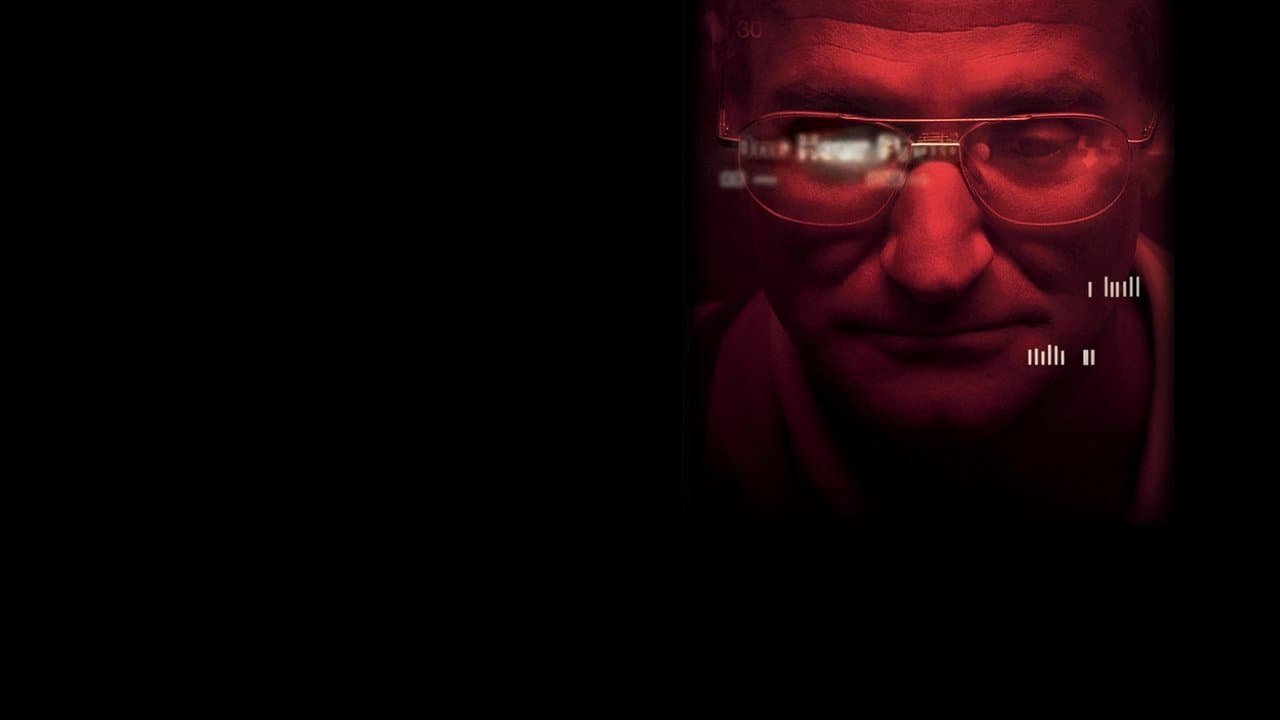
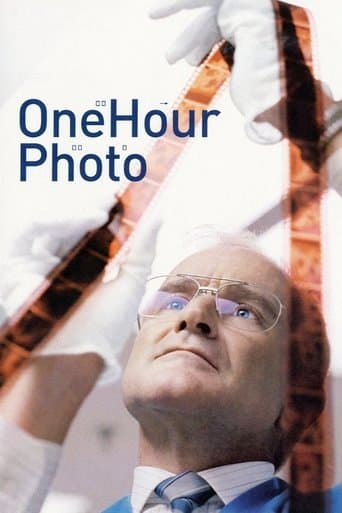
Sy Parrish has lovingly developed photographs for the Yorkin family since their son was a baby. But as the Yorkins' lives become fuller, Sy's only seems lonelier, until he eventually convinces himself he's part of their family. When Sy's picture-perfect fantasy collides with an ugly dose of reality, a bizarre and thrilling confrontation ensues.
"One Hour Photo," directed by Mark Romanek and featuring a chilling performance by Robin Williams, explores the themes of isolation and obsession in the age of consumerism. Sy Parrish, portrayed by Williams, is a lonely photo technician who becomes increasingly fixated on the Yorkin family, whose pictures he develops. This obsession speaks to a broader commentary on how modern life can foster disconnection; while families appear to thrive in their perfect snapshots, individuals like Sy can feel more alienated than ever. The film forces viewers to confront the stark contrast between the curated images we present to the world and the complex realities behind them, highlighting the dangers of living vicariously through others.
Culturally, "One Hour Photo" emerged during a time when the rise of digital photography began to revolutionize how we document and share our lives. The film serves as a poignant reminder of the emotional weight that physical photographs can carry, in contrast to the transient nature of digital images. It captures a moment before the digital age fully overtook traditional photography, emphasizing the intimacy and nostalgia associated with printed photographs. This cultural snapshot resonates with audiences, reminding us of the deep connections we forge through visual memories, while also illustrating how easily those connections can spiral into unhealthy obsessions.
The cinematography of "One Hour Photo," crafted by Jeff Cronenweth, is another standout element that enhances the film’s unnerving atmosphere. The use of stark lighting and sterile color palettes reflects Sy’s own cold, disconnected world, creating an unsettling juxtaposition to the warmth and vibrancy of the Yorkin family's life. Cronenweth's meticulous framing and use of shallow depth of field draw attention to Sy’s isolation, often placing him in the periphery of the frame. This visual style not only underscores the themes of alienation but also immerses the viewer in Sy's increasingly warped perspective, inviting us to see the world through his distorted lens.
Behind the scenes, the production history of "One Hour Photo" is equally fascinating. Robin Williams, known primarily for his comedic roles, took a significant risk by diving into this darker, more complex character. His performance challenged the audience's perceptions of him as an actor, showcasing his range and depth. The film was developed through a collaboration with producer and frequent Williams collaborator, Walter Parkes, who believed in the project’s potential to explore the darker sides of human nature. This commitment to a nuanced character study allowed "One Hour Photo" to stand apart from typical thrillers of the era, cementing its place as a thought-provoking exploration of the human psyche that continues to resonate with viewers today.