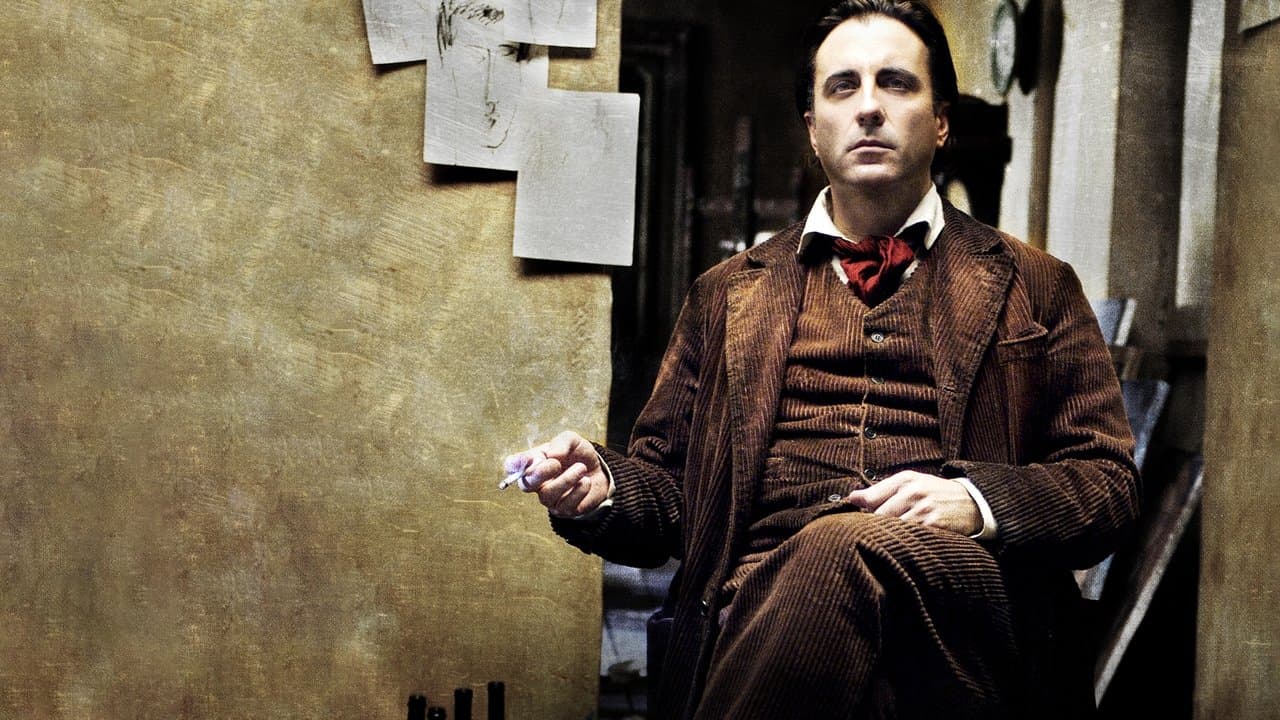
Set in Paris in 1919, biopic centers on the life of late Italian artist Amedeo Modigliani, focusing on his last days as well as his rivalry with Pablo Picasso. Modigliani, a Jew, has fallen in love with Jeanne, a young and beautiful Catholic girl. The couple has an illegitimate child, and Jeanne's bigoted parents send the baby to a faraway convent to be raised by nuns.
"Modigliani," directed by Mick Davis, offers a poignant exploration of the artist's tumultuous life, delving into themes of love, rivalry, and the struggle for artistic recognition. The film captures the essence of early 20th-century Paris, a melting pot of creativity and conflict, where Modigliani grapples not only with his passion for art but also with the societal pressures stemming from his Jewish heritage. This cultural backdrop serves as a stark reminder of the prejudice faced by many artists of that era, adding depth to Modigliani's character as he navigates both personal and professional obstacles. The film poignantly illustrates how love can be both a muse and a source of despair, particularly through Modigliani's relationship with Jeanne, whose family's bigotry complicates their life together.
The rivalry between Modigliani and Pablo Picasso is another compelling aspect of the film, highlighting the competitive nature of the art world during this vibrant period. Their contrasting artistic philosophies serve as a microcosm of the broader modernist movement, where innovation often comes at the cost of personal sacrifice. The film portrays Picasso as both a rival and a reluctant mentor, suggesting that even the most talented artists can feel threatened by their peers. This dynamic infuses the narrative with tension, as Modigliani's struggles to assert his identity in the shadow of a towering figure like Picasso resonate with anyone who has ever felt underappreciated in their field.
Visually, "Modigliani" is a feast for the eyes, combining lush cinematography with a rich color palette that evokes the vibrant spirit of Paris in the 1910s. The film’s cinematographer, John McKendry, masterfully uses light and shadow to create a dreamlike quality, reflecting Modigliani's own artistic style. The careful attention to period details, from the costumes to the settings, immerses the viewer in the artist's world, making the personal struggles of Modigliani feel all the more immediate and relatable. This artistic approach not only pays homage to Modigliani's work but also elevates the film into a visual narrative that honors the emotional weight of his life’s story.
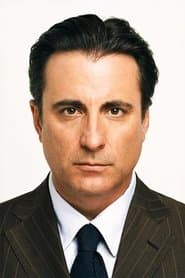
In terms of production history, "Modigliani" faced several challenges before reaching the screen, including budget constraints and the difficulty of casting the right actors to portray such iconic figures. Andy Garcia, who plays Modigliani, not only delivered a powerful performance but also produced the film, demonstrating a deep commitment to telling this artist's story authentically. The film ultimately serves as a tribute not just to Modigliani himself, but to the broader artistic community of his time, capturing the essence of a man whose passion for art was matched only by the chaos of his life. Despite mixed critical reception, "Modigliani" has carved out a niche for itself in the biopic genre, inviting audiences to reflect on the complexities of genius and the human experience.