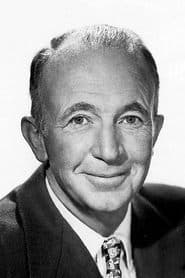
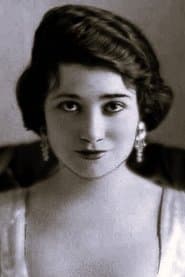
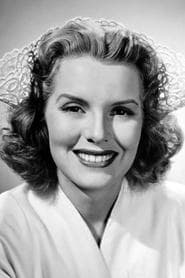
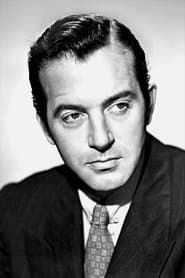
A woman tormented by the hunting death of her husband forbids her son to have anything to do with horses. But when he falls for the daughter of his father's trainer, he defies his mother by entering the Maryland Hunt.
"Maryland," released in 1940, is a poignant exploration of grief and the complex dynamics of familial relationships, particularly the bond between a mother and her son. The film centers around a mother who, haunted by the tragic death of her husband during a hunting accident, imposes a strict ban on horses in her household, symbolizing her desire to protect her son from the dangers she associates with that world. This theme of overprotectiveness speaks to a broader narrative about how trauma can shape parenting choices, often leading to unintended consequences. As her son defies her wishes and pursues his passion for horses, the film delves into the struggles between personal desire and parental authority, ultimately highlighting the tension between love, loss, and the quest for independence.
Culturally, "Maryland" reflects the era's fascination with the equestrian lifestyle and the societal norms surrounding masculinity and adventure. The film encapsulates a time when the American Dream was closely tied to land, nature, and the freedom of the open air, as embodied through horseback riding and hunting. The portrayal of the Maryland Hunt, a prestigious equestrian event, serves not only as a backdrop for the characters' personal journeys but also as a commentary on social class and tradition. This setting allows the film to resonate with audiences who were increasingly drawn to stories of resilience and the struggle against societal constraints, making it a relevant piece in the canon of 1940s American cinema.
The cinematography of "Maryland" plays a critical role in immersing the audience in its emotional landscape. The film employs sweeping shots of the Maryland countryside, expertly capturing the beauty and grandeur of the natural world, which contrasts sharply with the internal turmoil of the characters. The use of light and shadow emphasizes the mother's oppressive grief and the son's yearning for freedom, creating a visual metaphor for their emotional states. This artistic choice not only enhances the storytelling but also showcases the technical prowess of the film's cinematographer, who adeptly uses the picturesque setting to underscore the film's themes of conflict and reconciliation.
Production-wise, "Maryland" is notable for its involvement of prominent figures in the film industry at the time. Directed by the talented John Brahm, known for his adept handling of complex narratives, the film showcases a strong cast, including notable performances that lend authenticity to the emotional depth of the story. The production faced challenges typical of the era, particularly in blending the elements of drama with the demands of a family-friendly film. However, the result is a poignant narrative that captures the essence of its time, leaving a lasting impression on its audience and contributing to the ongoing conversation about the interplay between personal trauma and societal expectations in classic cinema.