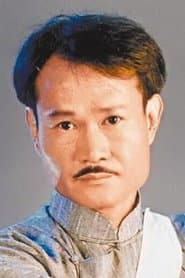
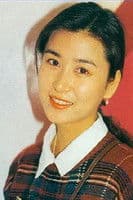
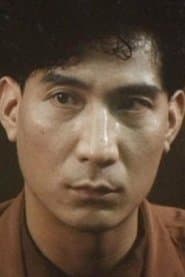
Wong Fei Hung, as a young man, was impetuous and irresponsible. But the death of this father and the beginnings of the legal British opium trade force him to grow up fast. Also, a challenger from Japan arrives......
"Martial Arts Master Wong Fei Hung" (1992) is a fascinating exploration of the iconic character Wong Fei Hung, who has been a symbol of Chinese martial arts for generations. In this film, the narrative delves into themes of personal growth and responsibility, as the young Wong transitions from a carefree youth to a mature individual shaped by tragedy and societal pressures. The loss of his father not only serves as a catalyst for his character development but also reflects the broader historical context of colonialism and the impact of the opium trade on Chinese society. This poignant backdrop creates a rich narrative that resonates with audiences, as it encapsulates the struggle between tradition and modernity.
The film's cultural impact is significant, as it contributes to the enduring legacy of Wong Fei Hung in popular culture. Since the character's inception in the late 19th century, he has been depicted in various films and television shows, solidifying his status as a national hero in China. "Martial Arts Master Wong Fei Hung" adds a new layer to this legacy by emphasizing the character's youthful vulnerabilities and moral dilemmas. The film not only entertains but also invites viewers to reflect on the complexities of heroism in the face of adversity, making Wong Fei Hung a relatable figure for both historical and contemporary audiences.
Cinematographically, the film is a visual treat, showcasing a blend of traditional martial arts choreography with dynamic cinematography that captures the essence of the fight scenes. The action sequences are meticulously choreographed, reflecting the film's dedication to authenticity in martial arts representation. The cinematographer employs a vibrant color palette and fluid camera movements, enhancing the energy of the fight scenes while also grounding the narrative in the historical setting of 19th-century China. This careful attention to visual storytelling not only elevates the action but also immerses the audience in the cultural milieu of the time.
Production-wise, "Martial Arts Master Wong Fei Hung" is notable for its collaboration with experienced martial artists and choreographers, which lends authenticity to the fight sequences. The film was part of a broader resurgence of interest in martial arts cinema during the early 1990s, coinciding with the global popularity of Hong Kong action films. This period saw a convergence of talented filmmakers who sought to reinvent classic stories for a new generation, and the film's production team effectively merged traditional storytelling with contemporary cinematic techniques. As a result, it stands as a testament to the enduring appeal of martial arts films and their ability to bridge cultural divides while celebrating the rich heritage of Chinese folklore.
Frequently Asked Questions
Reviews
You need to be signed in to write a review.
No reviews yet. Be the first to review this movie!
Discussion
Sign in to join the discussion.
No comments yet. Be the first to share your thoughts!