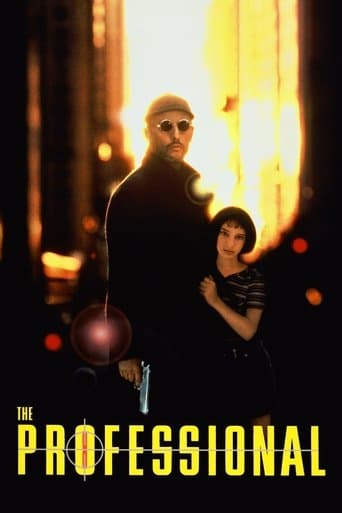
Léon, the top hit man in New York, has earned a rep as an effective "cleaner". But when his next-door neighbors are wiped out by a loose-cannon DEA agent, he becomes the unwilling custodian of 12-year-old Mathilda. Before long, Mathilda's thoughts turn to revenge, and she considers following in Léon's footsteps.
"Léon: The Professional" is a film that masterfully explores themes of isolation and the quest for familial connection. At its core, the relationship between Léon and Mathilda transcends typical mentor-student dynamics, delving into the complexities of love, loyalty, and the consequences of violence. Mathilda's transformation from a vulnerable child into a vengeful figure mirrors Léon's own struggles with his past and the loneliness that defines his existence as a hitman. This juxtaposition highlights the film's exploration of innocence lost, as Mathilda grapples with her desire for revenge while simultaneously seeking the emotional warmth that Léon embodies, ultimately questioning what it means to find a family in unexpected places.
The film's cultural impact is significant, particularly in how it influenced the action genre and the portrayal of unconventional characters. Upon its release, "Léon" garnered a cult following, celebrated for its unique blend of genres—combining elements of thriller, drama, and dark comedy. It challenged conventional narratives by placing a young girl at the center of a violent storyline, a move that sparked discussions about gender roles and the representation of youth in cinema. The film's legacy endures, inspiring numerous filmmakers and artists and resonating with audiences worldwide, showcasing how love and revenge can coexist in the most unlikely of partnerships.
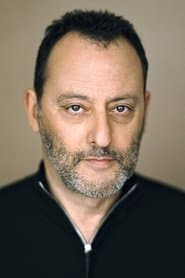
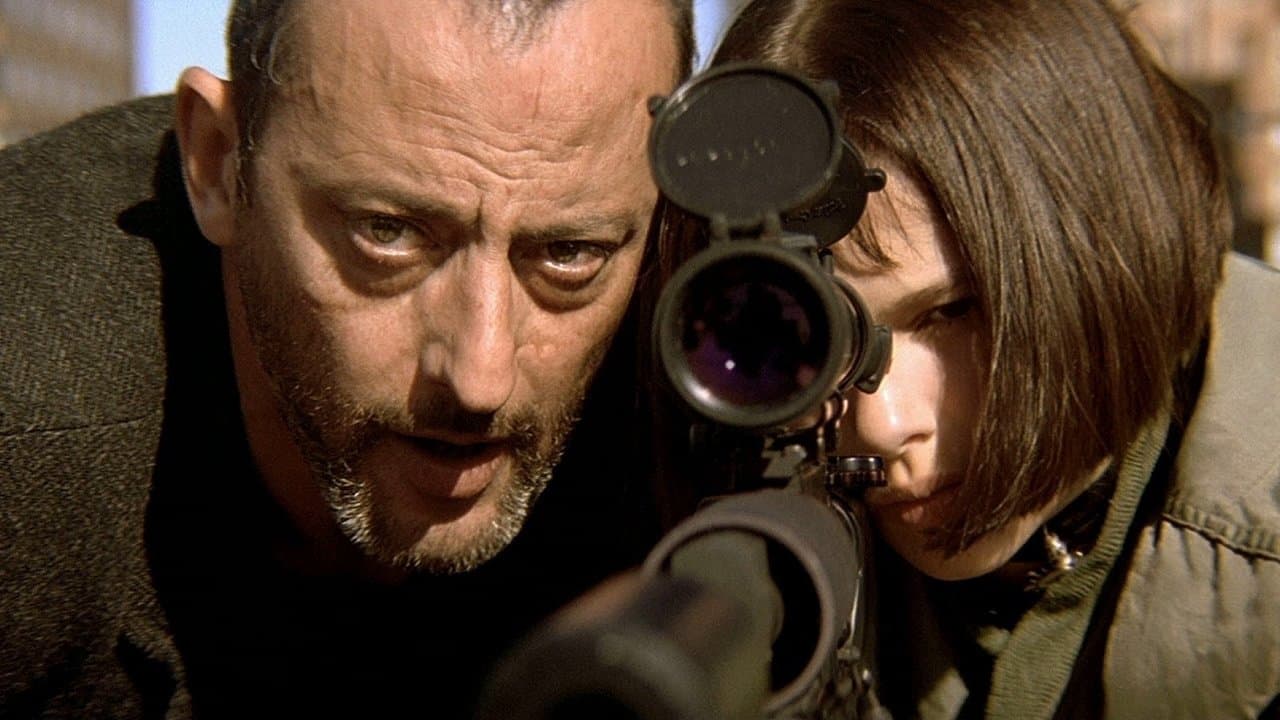
Visually, the cinematography of "Léon: The Professional" is striking and plays a crucial role in establishing the film's tone. Director Luc Besson and cinematographer Thierry Arbogast employed a vibrant color palette and dynamic camera movements to create a sense of intimacy and tension throughout the film. The use of close-ups captures the nuanced performances of the leads, particularly Jean Reno's Léon and Natalie Portman's Mathilda, allowing audiences to engage with their emotional journeys on a deeper level. The contrasting imagery of the bustling New York City backdrop against the quiet, almost claustrophobic spaces of Léon's apartment serves to amplify their isolation and the stark reality of their lives.
Production history reveals the film's intriguing backstory, including the casting choices that shaped its iconic status. Originally, Besson envisioned a much darker tale, but the chemistry between Reno and Portman led to a more nuanced character dynamic that ultimately defined the film. Portman, at just 12 years old during filming, delivered a performance that was both mature and haunting, which garnered critical acclaim and established her as a formidable talent in Hollywood. Additionally, the film's unique narrative structure, blending moments of action with poignant character development, showcases Besson's distinctive storytelling style, solidifying "Léon: The Professional" as a timeless piece of cinematic art.