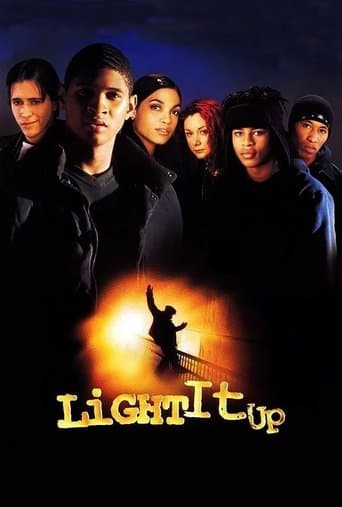
On a winter day in a southside Queens high school, events collide and six students are suddenly in an armed standoff with the NYPD. At the school, classrooms freeze, teachers come and go, resources are scant.
"Light It Up," directed by Craig Bolotin, is not just a gripping drama about a student standoff, but a poignant commentary on the systemic issues affecting marginalized communities. The film explores themes of desperation, the quest for identity, and the struggle against societal indifference. Set against the backdrop of a crumbling educational system in a Southside Queens high school, the narrative captures the raw emotions of youth facing a bleak future. The characters, each with their own personal struggles, embody the challenges of adolescence intertwined with socio-economic strife, making their plight relatable and heartbreaking. This thematic depth invites the audience to reflect on the broader implications of youth disenfranchisement and societal neglect.
The cultural impact of "Light It Up" lies in its ability to resonate with the experiences of young people across America, particularly in the late 1990s. The film emerged during a time when issues of gun violence and school safety were becoming increasingly prominent in public discourse. By showcasing the students' frustrations and ultimate choices, the film sparked conversations about the pressures faced by urban youth, their relationships with authority, and the impact of socio-economic factors on education. Its portrayal of diverse characters also contributed to a broader representation of African American and Latino experiences in cinema, which was essential for fostering understanding and empathy among audiences.
Cinematographically, "Light It Up" employs a gritty, documentary-style approach that enhances its realism and urgency. The use of handheld cameras and natural lighting immerses viewers in the chaotic environment of the school, capturing the tension of the standoff and the emotional turmoil of the characters. This stylistic choice aligns with the film's themes, as it reflects the raw, unfiltered experiences of the students. Additionally, the film's visual storytelling is complemented by a powerful soundtrack featuring hip-hop and R&B tracks that resonate with the film's youthful energy and cultural context, further enriching the narrative.
In terms of production history, "Light It Up" faced various challenges that reflected the complexities of filmmaking in the late '90s. The film's release was somewhat overshadowed by the controversies surrounding school safety and gun control that were prevalent in society at the time. However, it ultimately found its place in the canon of teen dramas that tackle serious issues. The film's ensemble cast, including emerging talents like Usher and Rosario Dawson, also contributed to its appeal, showcasing a generation of actors who would go on to have significant careers in Hollywood. Despite its mixed reviews upon release, "Light It Up" remains a noteworthy exploration of youth, resistance, and the search for hope in seemingly hopeless circumstances.
FREQUENTLY ASKED QUESTIONS
REVIEWS
You need to be signed in to write a review.
No reviews yet. Be the first to review this movie!
DISCUSSION
Sign in to join the discussion.
No comments yet. Be the first to share your thoughts!