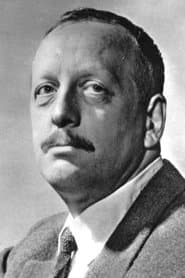
In a small village in West Prussia in the 1870s, Germans, Poles, Gypsies and Jews live together as neighbors. One night Johann, a German mill-owner, secretly opens the dam gates and floods the mill of his Jewish rival Levin. After his business is ruined and his calls for justice go unanswered, Levin leaves town.
"Levin's Mill," set against the backdrop of a small village in 1870s West Prussia, explores the complex themes of ethnic rivalry and social injustice. At its core, the film presents a microcosm of the broader societal tensions that existed during this period, where Germans, Poles, Gypsies, and Jews coexist yet remain deeply divided by prejudice and mistrust. The act of sabotage by Johann, the German mill-owner, serves as a catalyst for examining how personal vendettas can escalate into larger communal conflicts. Levin’s struggle for justice highlights the often unequal power dynamics in society, where the marginalized must navigate a landscape characterized by systemic discrimination. This theme resonates beyond the film’s historical context, prompting viewers to reflect on contemporary issues of inequality and the need for empathy among diverse groups.
Cinematically, "Levin's Mill" employs a rich visual language that enhances its storytelling. The film’s cinematography captures the stark beauty of the Prussian landscape, juxtaposing the idyllic surroundings with the dark, tumultuous emotions of its characters. The use of natural light and the framing of scenes often reflect the internal conflicts of the characters, particularly Levin, as he grapples with the loss of his livelihood and dignity. The director's attention to detail in the mise-en-scène immerses viewers in the period, making the historical context feel palpable and urgent. This thoughtful approach to visual storytelling not only reinforces the narrative’s emotional weight but also invites audiences to engage deeply with the moral complexities presented.
The production history of "Levin's Mill" is equally intriguing, as it was made during a period when films addressing social issues were gaining traction in international cinema. The film can be seen as part of a broader movement that sought to illuminate the struggles of marginalized communities and the impact of systemic oppression. Its release in 1980 coincided with a growing awareness of historical injustices in Europe, particularly in relation to Jewish history and identity. As a result, "Levin's Mill" contributed to the cultural discourse surrounding these issues, challenging audiences to confront uncomfortable truths about their own societies and histories.
Finally, the cultural impact of "Levin's Mill" extends beyond its immediate narrative. The film serves as a poignant reminder of the fragility of community bonds in the face of hatred and division. It has been praised for its ability to evoke empathy for its characters, particularly Levin, whose plight represents the broader human struggle against intolerance and injustice. As such, "Levin's Mill" continues to resonate with audiences today, serving as an enduring testament to the power of storytelling in fostering understanding and compassion across cultural divides. The film’s exploration of these timeless themes ensures its relevance in discussions about identity, community, and the moral choices we face in times of conflict.
Frequently Asked Questions
Reviews
You need to be signed in to write a review.
No reviews yet. Be the first to review this movie!
Discussion
Sign in to join the discussion.
No comments yet. Be the first to share your thoughts!